Skip to content
Home › Author › Steve Rogers
Author

Steve Rogers

My role as a Desk Writer involves daily creation across various formats, from short updates to in-depth features. I am driven by the challenge of making every piece of content precise and impactful.

66 articles

Compensation & Benefits Redefining the Return-to-Office Conversation: A People-Centric Reframing

Redefining the Return-to-Office Conversation: A People-Centric Reframing

Let’s be honest, striking the right balance between office presence and flexible working is one of the thorniest challenges on…

By Steve Rogers ·
Leadership & Management Reinforcing Trust at Work: A Practical Guide for-wincwire

Reinforcing Trust at Work: A Practical Guide for Leaders

As HR professionals, we spend a great deal of our time focused on performance, engagement and retention. But what’s the…

By Steve Rogers ·
Compensation & Benefits Crafting Tailored Benefits for a Diverse Workforce: A Strategic HR Priority

Crafting Tailored Benefits for a Diverse Workforce: A Strategic HR Priority

The conversation around employee benefits has reached a turning point. Whilst many organisations continue rolling out standardised packages, the most…

By Steve Rogers ·
Employee Engagement Mastering HRIS Implementation and Optimisation: A People-First Approach

Mastering HRIS Implementation and Optimisation: A People-First Approach

Here’s something I’ve learned after two decades in HR: when colleagues ask what truly transforms an HR function, my answer…

By Steve Rogers ·
HR Strategy & Transformation How Agile HR Fuels Future-Ready Organisations

How Agile HR Fuels Future-Ready Organisations

Let’s be frank, in our world, ‘transformation’ isn’t a project with a start and end date; it’s simply the way…

By Steve Rogers ·
HR Strategy & Transformation HR’s Role in Championing Social Value: Creating Sustainable and Inclusive Workplaces

HR’s Role in Championing Social Value: Creating Sustainable and Inclusive Workplaces

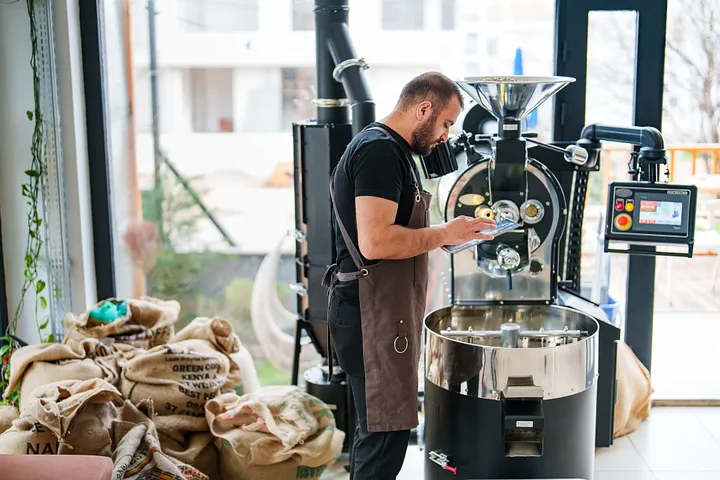
Where Values Take Root: HR’s New Mandate in a Changing World Think about this for a moment. A small dry-cleaner’s…
By Steve Rogers ·
Succession Planning Future-Proofing the Supply Chain: Talent and Culture as Strategic Anchors

Future-Proofing the Supply Chain: Talent and Culture as Strategic Anchors

Supply chains today face unprecedented challenges, from inflation and energy volatility to economic uncertainty. Yet here’s what many organisations miss:…

By Steve Rogers ·
Leadership & Management Leading with Heart: Why Empathy Isn’t Optional Anymore

Leading with Heart: Why Empathy Isn’t Optional Anymore

The workplace has fundamentally changed, hasn’t it? You’ve likely witnessed this transformation yourself – whether you’re navigating hybrid working policies,…

By Steve Rogers ·
Leadership & Management Unlocking Empathy: The Leadership Edge Hidden in Plain Sight Greetings to the HR leaders shaping tomorrow’s workplaces. Today, let’s explore a practical, human-centred facet of leadership that too often gets overlooked: the art of empathy. Empathy isn’t just a soft skill — it’s a strategic advantage that powers inclusive, high-performing cultures. Here’s how we can harness it with intention. Sympathy vs Empathy: A Subtle but Powerful Shift Before we dive deeper, it’s worth drawing a clear distinction. Sympathy is offering kind words from a distance — "I'm sorry you're facing that." Empathy, by contrast, involves stepping into someone’s experience — "I understand how you feel." It’s about emotional resonance, not just recognition. Empathetic leaders do more than acknowledge discomfort; they create space for it. They tune in, validate, and respond with sincerity. The result? A workplace where people feel seen, heard, and understood — a crucial foundation for motivation, collaboration, and trust. This isn’t idealism; it’s operational precision for modern leadership. Knowing Your People Beyond the Job Description To lead empathetically is to lead personally. Ask questions that go beyond performance metrics. Show curiosity about who your team members are — their aspirations, stressors, and passions. This isn’t overstepping; it’s the groundwork for tailored leadership. Whether it’s adjusting working hours for a parent navigating childcare or offering stretch assignments to align with a young professional’s career path, thoughtful flexibility pays dividends. When individuals feel acknowledged beyond their roles, they’re more inclined to engage fully. Empathy Through Transparent and Respectful Communication Clear, transparent communication is the scaffolding of trust. Keep your team informed — not just about successes, but also about challenges and change. In times of uncertainty, transparency breeds stability. Add kindness to clarity, and you have a leadership superpower. Empathetic communication is a behaviour multiplier — it encourages psychological safety, where feedback, creativity, and collaboration flourish. Demonstrate it, and watch it ripple through your culture. Delivering Difficult News With Dignity No leader relishes delivering bad news. But done with empathy, these moments can forge connection rather than rupture it. Preparation is key: Understand the issue thoroughly — why the decision was made, what options were considered. Acknowledge contributions. Ground the conversation in respect. Be factual, not accusatory. Clarity over blame. The COAST Framework: Anchoring Empathetic Conversations To structure difficult conversations with care, the COAST tool offers a reliable guide: Context: Begin with the broader picture — why this conversation is taking place. Objectives: What are you hoping to achieve through the discussion? Alternatives: What options were explored before settling on this path? Solution: Share the decision or recommendation with clarity and care. Timeline: Offer a clear sense of what happens next. When emotions run high, structure provides steadiness. COAST helps you lead with both backbone and heart. Empathy Before and During the Conversation Think empathetically as you plan: Anticipate the emotional response. Adjust tone and language accordingly. Then, during the conversation: Actively listen without interrupting. Use open body language and reflective cues. Invite their perspective — even if the decision is final, give space for response. Empathy here isn’t about reversing decisions — it’s about honouring the human impact of those decisions. Practical Techniques to Build Empathetic Habits Active Listening: Let people speak fully. Prompt gently, reflect thoughtfully. Nonverbal Signals: Maintain open posture, eye contact, and attentive gestures. Respect Differences: Even when values diverge, seek understanding. Empathy is born in difference, not sameness. Holding Space When Emotions Run High When people receive destabilising news, they may respond with silence, frustration, or tears. Empathetic leadership doesn’t rush to fix — it holds space. Stay calm, kind, and grounded. Resist defensiveness. Demonstrate care even under pressure. This is where values meet action. How we lead through the tough moments is the truest test of our empathy — and the surest path to earning trust. Final Thought: Make Empathy Your Operating System Empathy isn’t a sideline skill. It’s core infrastructure for resilient teams and future-ready organisations. It transforms feedback into growth, conversations into connection, and challenges into trust-building opportunities. Let’s reframe empathy not as an emotional add-on, but as the very engine of inclusive, high-performing workplaces. In a world where change is constant, empathy is your most strategic constant. Let’s lead with it.

Unlocking Empathy: The Leadership Edge Hidden in Plain Sight

Let’s be honest with one another. As HR leaders, we’re constantly juggling priorities, and often the so-called ‘soft skills’ get…
By Steve Rogers ·
Organisational Culture Neurodiversity at Work: A People-First Imperative for Future-Ready Organisations

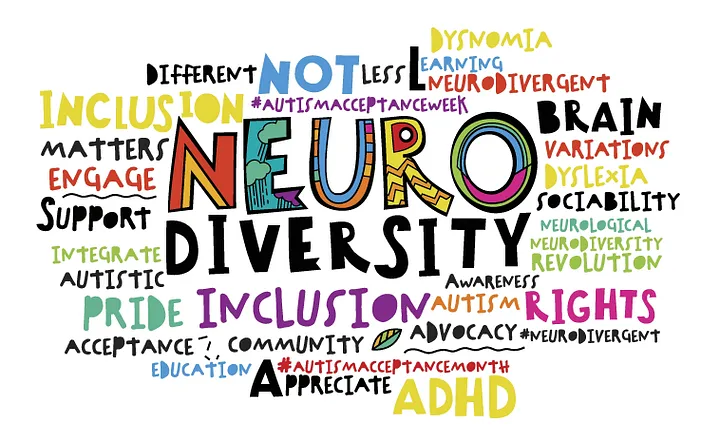
Neurodiversity at Work: A People-First Imperative for Future-Ready Organisations

We’ve spent years, quite rightly, pushing the diversity agenda forward. But if we’re honest with ourselves, most of that energy…

By Steve Rogers ·