The Emaar Properties founder is preparing to explore a large-scale premium hospitality development in Zimbabwe, with an executive delegation expected to assess potential sites as project details take shape.
Zimbabwe could be set for a significant new luxury hospitality investment following talks between President Emmerson Mnangagwa and Emirati businessman Mohamed Alabbar, founder of Dubai-based Emaar Properties.
Mnangagwa said discussions with Alabbar had resulted in plans for a major investment in premium hospitality, potentially bringing new international-standard luxury hotels to Zimbabwe. However, specific locations, hotel brands, investment values and the number of properties involved have not yet been disclosed.
An executive delegation linked to Alabbar is expected to visit Zimbabwe to inspect potential development sites and work through the details of the proposed investment.
The talks place one of the Middle East’s most prominent property developers alongside Zimbabwe’s efforts to attract greater international investment into tourism and hospitality.
From Dubai to Zimbabwe
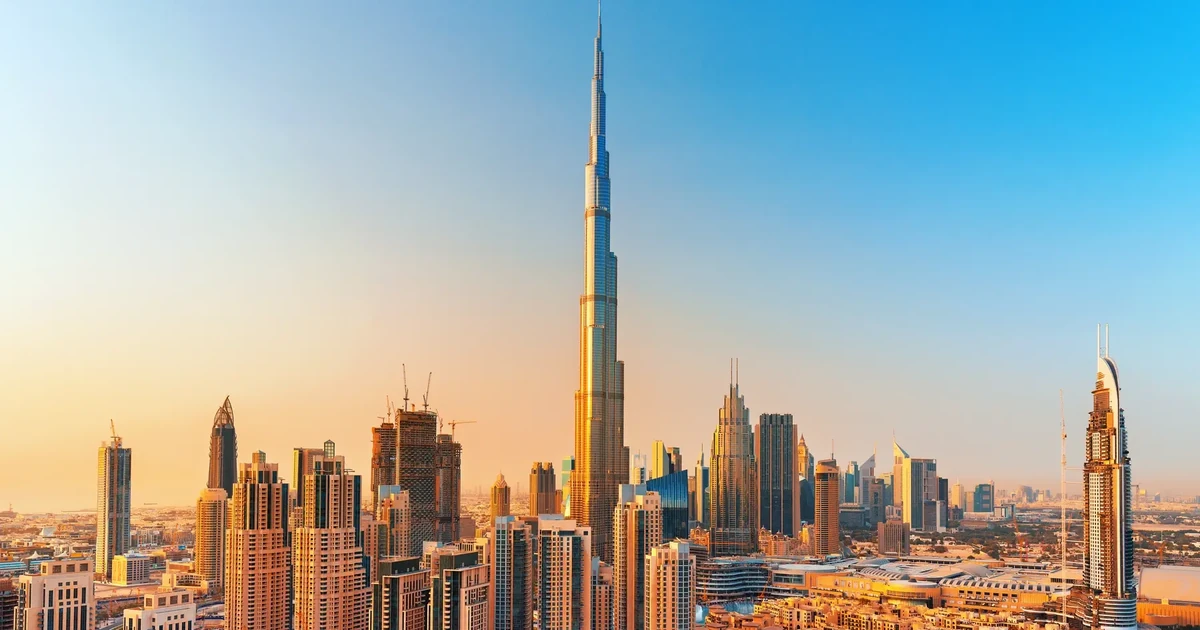
Alabbar is best known as the founder of Emaar Properties, the Dubai-headquartered developer behind projects including the Burj Khalifa and Dubai Mall.
Emaar has developed residential, retail, commercial and hospitality projects across a range of international markets, making Alabbar’s interest in Zimbabwe notable for a hospitality sector that has historically attracted less global development capital than some other African destinations.
The Zimbabwe government believes the proposed development could support employment, local businesses and the country’s ambition to attract more international travellers. Those projected benefits were outlined by Mnangagwa and remain dependent on the investment moving from planning into development.
The next phase will therefore be important.
Site inspections would allow the investors and government to move from broad investment discussions towards decisions around location, scale, development format and potentially the hospitality brands involved.
Interest dates back to 2024
Alabbar’s interest in Zimbabwe is not entirely new.
Reports in 2024 indicated that he was considering opportunities in the country’s luxury hotel and high-end residential sectors following discussions with Mnangagwa in Dubai. The latest meeting appears to have moved those conversations closer to a potential development programme.
The renewed interest also comes as Zimbabwe attempts to position tourism as a stronger component of its investment strategy.
The country already has globally recognised attractions including Victoria Falls, Hwange National Park, Mana Pools and Great Zimbabwe, but international branded hotel development remains comparatively limited.
That creates both an opportunity and a challenge.
Luxury hospitality investment can help broaden a destination’s accommodation offer and provide international distribution, but major developments still depend on air connectivity, infrastructure, financing and sustained traveller demand.
Gulf investment looks further into Africa
The discussions also reflect a wider expansion of Gulf capital into African real estate, infrastructure and tourism.
Investors from the United Arab Emirates and other Gulf markets have increasingly looked at African destinations where rising visitor demand, urban development and gaps in premium accommodation create opportunities for long-term investment.
Alabbar’s potential entry into Zimbabwe would bring a particularly high-profile name into that trend.
Emaar itself continues to operate at substantial scale. The group has a revenue backlog of more than $50 billion, according to comments made by Alabbar this month, even as its hospitality business in Dubai works through the effects of recent regional disruption.
For Zimbabwe, however, the significance of the proposed investment will depend less on the profile of the investor and more on what ultimately gets built.
At this stage, the development remains a proposal rather than a confirmed hotel project. There are no announced brands, opening dates, room counts or investment values.
That distinction matters.
If the site visits lead to firm development agreements, Zimbabwe could gain one of its most significant internationally backed luxury hospitality projects in recent years.
For now, the industry will be watching for the next set of details: where, how large, under which brands and on what timetable.
Source: Billionaires.Africa