The independent luxury hospitality company has been named Asia’s Leading Boutique Hotel Brand for a fifth consecutive year, with individual properties across India also recognised as the group prepares for its next phase of expansion.
The Postcard Hotel has secured 12 honours at the World Travel Awards 2026, strengthening the position of the Indian-born luxury hospitality brand as it prepares to expand its portfolio across Asia and beyond.
The awards were presented at the World Travel Awards Asia, Oceania & Indian Ocean Gala Ceremony in the Maldives, with The Postcard Hotel saying it received more honours than any other hotel brand in Asia at this year’s regional event.
At brand level, The Postcard Hotel was named Asia’s Leading Boutique Hotel Brand 2026, extending a run that began in 2022. World Travel Awards records show the company has now held the title for five consecutive years.
Several individual hotels also received regional and national recognition.
The Postcard on the Arabian Sea, the brand’s nine-room retreat at Maravanthe Beach in Karnataka, was named Asia’s Leading Boutique Hotel 2026. The property also retained the title of India’s Leading Beach Resort, an award it has held since 2023.
The hotel sits directly on the Arabian Sea and is deliberately small in scale, with all nine rooms facing the ocean. That low-density approach is characteristic of The Postcard’s wider strategy, which has focused on intimate properties in destinations where the surrounding landscape forms a central part of the stay.
Gir takes another wildlife title
The Postcard Gir Wildlife Sanctuary was recognised as Asia’s Leading Wildlife Resort 2026, continuing a strong run for the Gujarat property.
It has received the regional wildlife award repeatedly since 2021 and has also retained recognition at the Indian level during that period.
The repeated recognition is significant because wildlife hospitality has become an increasingly competitive part of India’s luxury hotel market, with both established international operators and specialist safari brands investing in smaller, experience-led properties around major national parks and reserves.
For The Postcard, Gir reflects a model built around limited room inventory, highly personalised service and close integration with the destination rather than the traditional scale associated with resort development.
Newer hotels enter the awards
One of the most notable results came from The Postcard on the Mandovi River, which was named India’s Leading New Hotel 2026.
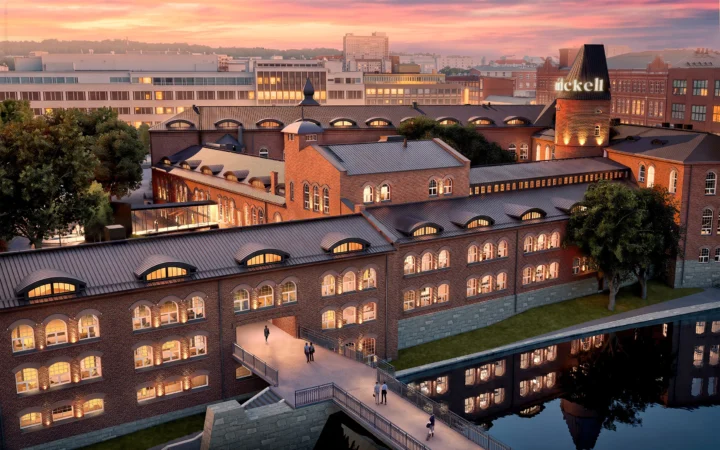
The North Goa property is among the newest additions to the portfolio and its recognition gives the company an early endorsement as it adds hotels beyond the original group of properties with which the brand established itself.
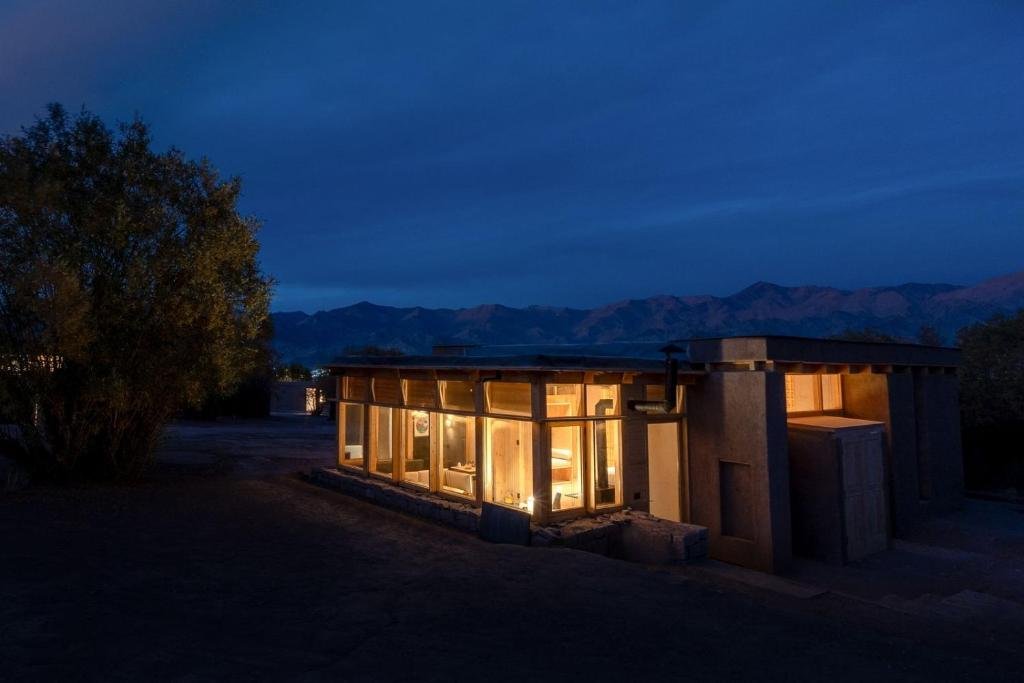
Meanwhile, The Postcard in the Himalayan Willows, Leh was named India’s Leading Mountain Resort 2026.
Opened in 2025, the hotel sits at approximately 11,500 feet in Ladakh and represents one of the brand’s most ambitious destination-led projects to date.
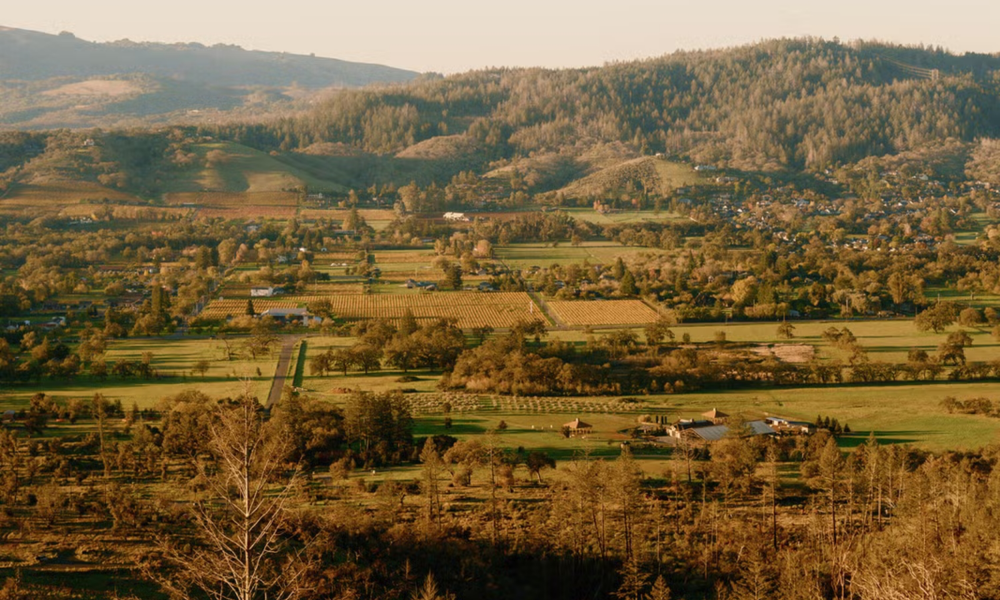
Another established property, The Postcard in the Durrung Tea Estate, Assam, was named India’s Leading Boutique Hotel 2026. Set within a 1,400-acre tea estate, the 12-room property combines restored plantation architecture with contemporary hospitality.
Further awards were received by properties across India, Bhutan and Sri Lanka, taking the overall tally to 12.
Recognition arrives as Postcard prepares to scale
The timing of the awards is important for the business.
The Postcard Hotel currently operates 12 properties across India, Bhutan and Sri Lanka, and says another nine hotels are scheduled to open over the next 12 months.
Its next international step is expected in October 2026 with The Postcard on the Rapti River, Chitwan, which will mark the brand’s entry into Nepal.
That creates an interesting challenge.
The Postcard has built much of its identity around small hotels that feel highly individual. Its current portfolio stretches from tea estates and wildlife reserves to beaches, Himalayan landscapes, heritage buildings and riverfront locations. The company now has to increase scale without allowing those hotels to become standardised versions of one another.
Kapil Chopra, Founder and CEO of The Postcard Hotel, said the company’s approach to luxury has centred on giving guests greater freedom, space and distinctive experiences rather than adding more rules to the hotel stay. He said the 12 awards reinforced the company’s belief in that model while emphasising that guest response remains as important as industry recognition.
That philosophy has shaped some of the brand’s more recognisable operating choices, including flexible check-in and check-out, breakfast available at any time and an emphasis on regional cuisine and locally rooted experiences. The company describes its hotels as deliberately intimate properties designed around the culture and character of their destinations.
From Indian boutique brand to international luxury player
The Postcard Hotel was founded in 2018, making the speed of its development notable.
Rather than pursuing conventional city-centre scale, the company has generally selected locations where the destination itself can form part of the hotel proposition.
That strategy has taken it from Goa into destinations including Gir, Assam, Kochi, Karnataka, Ladakh, Bhutan and Sri Lanka.
Now the company is beginning to position itself for a wider international expansion.
The World Travel Awards recognition gives it useful visibility at precisely that stage.
Founded in 1993, the awards use votes from travel and tourism professionals and consumers, with votes from verified industry professionals receiving additional weighting. Regional winners can subsequently compete at the World Travel Awards Grand Final. Several of The Postcard Hotel’s winning entries will progress to the 2026 global final in Tanzania in December.
For The Postcard Hotel, the bigger story is therefore not simply the number of trophies collected in the Maldives.
It is whether an independent luxury hotel company founded in India can take a highly intimate, destination-specific model into a significantly larger international portfolio without losing the individuality that helped establish the brand in the first place.
The next nine openings will provide an important test of that ambition.