The returning culinary competition has been filmed entirely in Macau, with SJM Resorts supporting the 10-episode series as the destination uses gastronomy to strengthen its appeal to international travellers.
SJM Resorts is putting Macau’s culinary scene in front of a regional audience through its partnership with MasterChef Asia, which has returned to television after a decade-long absence.
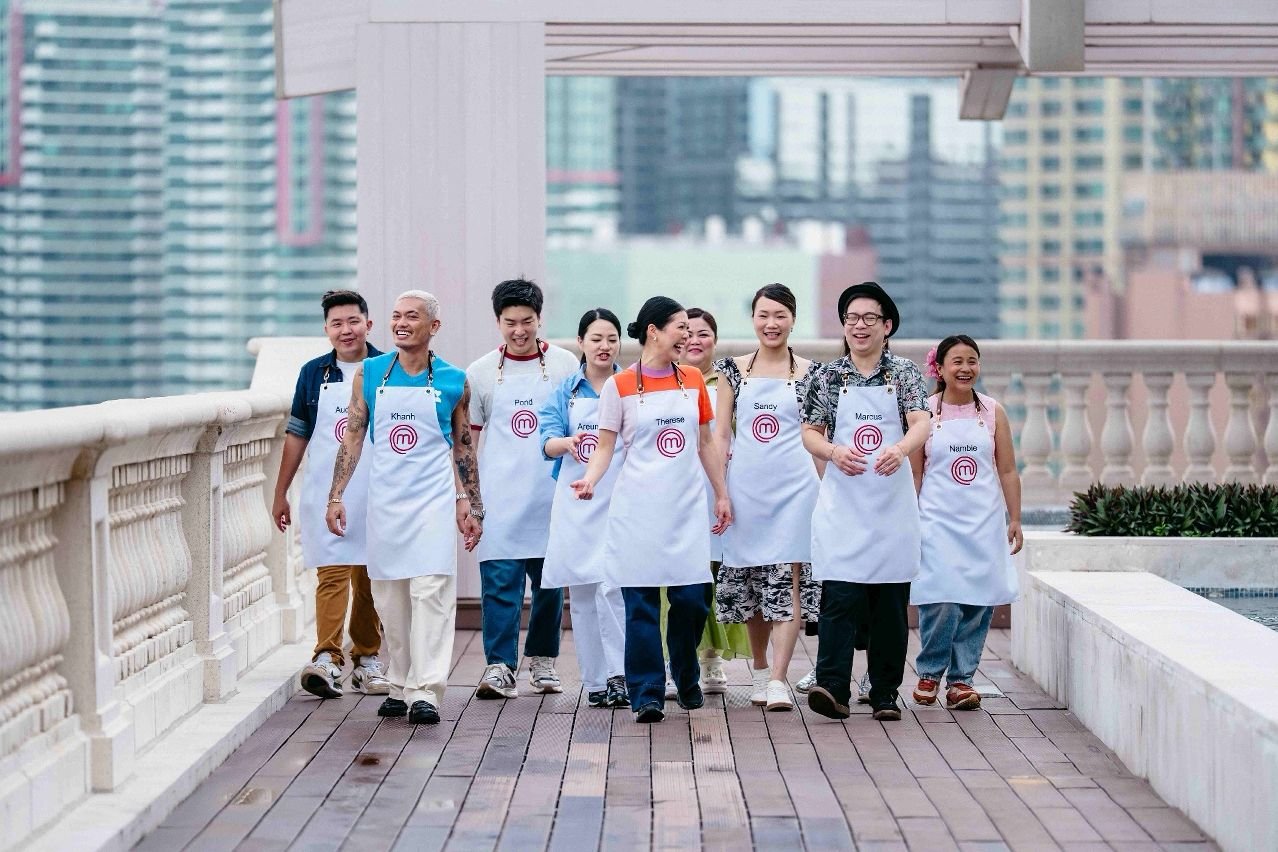
The new season, filmed entirely in Macau, brings together 10 contestants from across Asia and places the destination’s restaurants, markets, chefs and culinary heritage at the centre of the competition.
The series premiered across Southeast Asia on TLC on 22 September, followed by Discovery Channel on 23 September, while also becoming available on HBO Max. Separate broadcasts have been scheduled for markets including India, the Middle East and South Korea.
For Macau’s hospitality industry, the significance goes beyond television exposure.
The city has been a UNESCO Creative City of Gastronomy since 2017, and the programme provides an international platform for positioning food as one of the reasons travellers should visit rather than simply an amenity once they arrive.
SJM puts hospitality behind the programme
SJM Resorts is among the organisations supporting the new season, alongside the Macao Government Tourism Office and other commercial partners.
Gerard Walker, Chief Hospitality Officer at SJM Resorts, said the partnership offered an opportunity to introduce viewers to the depth of culinary talent, creativity and hospitality within Macau.
Walker joined SJM in 2025 with responsibility across a hospitality portfolio encompassing more than 2,400 rooms and 45 dining destinations.
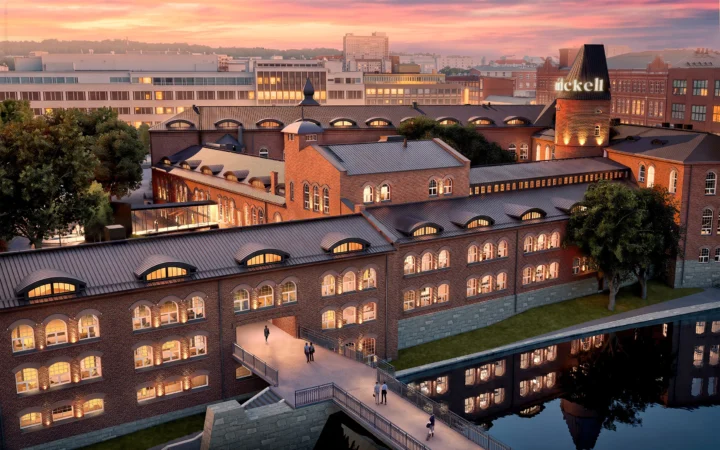
For a resort operator with properties including Grand Lisboa Palace Resort Macau, THE KARL LAGERFELD Macau, Palazzo Versace Macau and Grand Lisboa, culinary visibility is closely connected with the wider effort to increase Macau’s appeal beyond gaming.
Restaurants have become an increasingly important component of that strategy.
Internationally recognised chefs, Michelin-starred restaurants and destination dining concepts give integrated resorts another way to attract visitors, while television formats such as MasterChef can expose those experiences to audiences that might not otherwise encounter them.
Macau becomes part of the competition
Unlike destination marketing campaigns that simply use a city as scenery, MasterChef Asia has incorporated Macau directly into the competition.
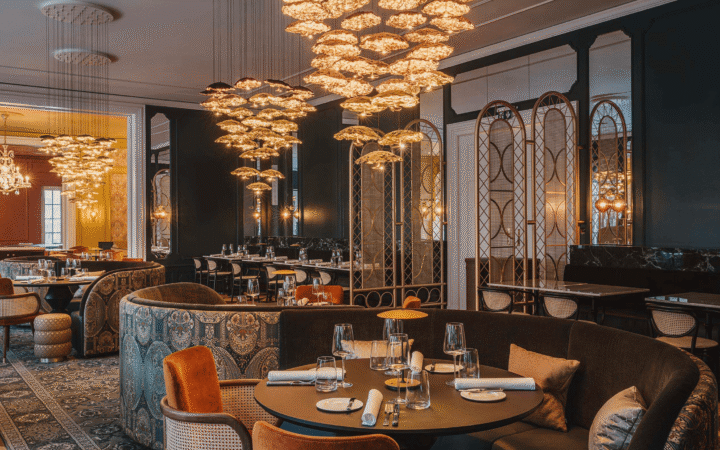
Challenges were filmed at locations including local markets and Michelin-starred restaurants within luxury integrated resorts, alongside a dedicated MasterChef kitchen.
That approach allows the programme to introduce audiences not only to Macau’s skyline and heritage buildings, but also to its food culture.
The city’s cuisine has developed through centuries of interaction between Chinese and Portuguese influences, alongside a much wider mix of Asian and international culinary traditions.
That makes Macau particularly suited to a competition bringing together contestants from different countries and culinary backgrounds.
The judging panel reflects that international approach.
The new season features chefs Edward Lee, Pichaya ‘Pam’ Soontornyanakij and Kelvin Cheung, while guest judges and culinary personalities appear throughout the competition.
Ten episodes designed to sell a destination through food
The new MasterChef Asia comprises 10 episodes and is produced by Warner Bros. Discovery and CreAsia Studio, part of Endemol Shine India, with Banijay Rights representing the format internationally.
That distribution gives Macau exposure across several priority visitor markets.
It also fits a broader shift in destination marketing.
Tourism boards and hospitality groups increasingly use entertainment, sport and cultural programming to reach potential travellers indirectly. Instead of telling audiences where to travel through conventional advertising, destinations become part of programmes people already choose to watch.
Food can be particularly effective in that context because it connects culture, people and place in a way that can be immediately understood across markets.
Macau’s tourism authorities have explicitly positioned the programme around the combination of “tourism + gastronomy”, using the series to increase international awareness while encouraging culinary and cultural exchange.
Gastronomy becomes part of Macau’s tourism proposition
For SJM Resorts, supporting MasterChef Asia aligns with a broader hospitality strategy.
The group has increasingly used restaurants, culinary events and international partnerships to position its resorts around experiences extending beyond accommodation and gaming.
Walker said every opportunity to showcase Macau’s chefs, restaurants and culinary heritage helps strengthen the city’s reputation as a destination worth travelling for.
That is ultimately what makes the MasterChef partnership interesting from a hospitality perspective.
A television programme cannot replace the fundamentals that make a destination attractive. But it can introduce millions of potential visitors to experiences they may previously have known little about.
For Macau, the new series gives gastronomy a starring role.
And for operators such as SJM Resorts, it provides an international platform to demonstrate that the city’s hospitality proposition is increasingly being built around what visitors can eat, experience and discover, not simply where they stay.