The hospitality industry has weathered disruptions before. But this time, the labour crisis runs deeper than a seasonal staffing shortage or post-pandemic recovery challenge.
With annual turnover rates exceeding 70% in hotels and replacement costs averaging more than £4,000 per departure, operators face a stark reality: workforce instability is no longer a human resources problem. It is an existential business threat.
The numbers paint a troubling picture. According to the Bureau of Labor Statistics, the leisure and hospitality sector continues to record the highest job separation rates of any industry. Nearly three million workers left hospitality roles in the first four months of 2024 alone – some 204% above the national average.
Yet some operators are breaking this cycle. They use technology to remove friction from daily operations, restructure budgets to remove financial stress from frontline workers, and build leadership cultures that create genuine belonging.
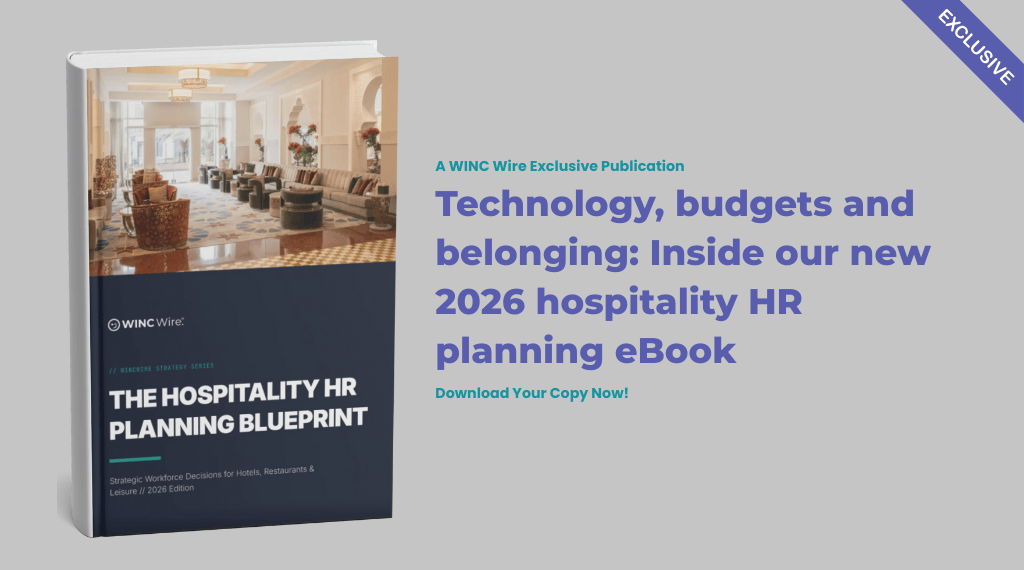
The Hospitality HR Planning Blueprint examines what separates thriving operators from those trapped in perpetual hiring cycles. This free ebook provides strategic frameworks for hotels, restaurants and leisure businesses navigating workforce challenges in 2026 and beyond.
The technology imperative
Research from IDeaS suggests 89% of hoteliers plan to deploy new AI applications in the coming year. But the winners will not be those who adopt technology for its own sake. They will be operators who use automation to eliminate the tedious, repetitive tasks that drive skilled workers away.
AI-powered scheduling tools can predict demand spikes and adjust staffing accordingly, preventing both the burnout of understaffing and the frustration of employees sent home early.
Chatbots handle routine guest enquiries such as wifi passwords and wake-up call requests, freeing staff to deliver the personal service that builds genuine guest relationships. The ebook examines how leading operators integrate these tools without losing the human connection that defines hospitality.
Beyond competitive wages
Industry data reveals 40% of hospitality employees received no pay increase in 2024. While wages have risen approximately 30% over four years, compensation alone proves insufficient for retention. Workers increasingly demand benefits innovation, flexible scheduling and visible career pathways.
The guide addresses how HR leaders can structure total rewards packages that acknowledge hospitality’s unique demands. Late nights, weekend shifts and the emotional labour of managing difficult guests all require recognition beyond base pay.
It explores financial wellbeing programmes, recognition systems and the practical steps for transforming entry-level positions into genuine career launching pads.
Leadership that creates belonging
The most overlooked factor in hospitality retention may be management quality. Research indicates 71% of voluntary turnover stems from poor management relationships. Great managers reduce departure likelihood by 40%.
Yet hospitality promotes technical excellence over leadership capability. The talented chef becomes a kitchen manager without development in people leadership. The efficient front desk agent advances to supervisor without training in conflict resolution or team motivation.
The blueprint provides frameworks for developing leaders at every level, from shift supervisors managing their first team to general managers shaping property culture. It addresses how to identify leadership potential, structure development programmes and measure leadership effectiveness beyond operational metrics.
A strategic workforce approach
For too long, hospitality HR has operated reactively, filling vacancies, managing crises and administering policies. The sector’s persistent challenges demand strategic workforce planning that connects people decisions to business outcomes.
This means forecasting staffing needs months ahead rather than scrambling when occupancy spikes. It requires understanding which roles create competitive advantage and investing accordingly. It demands honest assessment of employer brand and why talented workers choose your property – or why they do not.
The Hospitality HR Planning Blueprint offers practical tools for this strategic shift. It translates workforce planning concepts into actionable frameworks for operators at every scale, from independent boutique hotels to multi-property groups.
Download your free copy
The hospitality industry will continue evolving. Guest expectations will shift. Technology will advance. Labour markets will tighten and ease in cycles.
But the fundamental challenge remains: this is a people business, and success depends on attracting, developing and retaining talented workers. The operators who thrive in 2026 will be those who invest in their workforce today.
Download The Hospitality HR Planning Blueprint to access the complete strategic framework for workforce decisions in hotels, restaurants and leisure industry.