John Pagano and the destination-building mandate at Red Sea Global
Red Sea Global’s Group CEO has led the business since 2018. His remit brings together hospitality, infrastructure and long-term environmental commitments.
 Sarah Shaw
3 min read
Sarah Shaw
3 min read
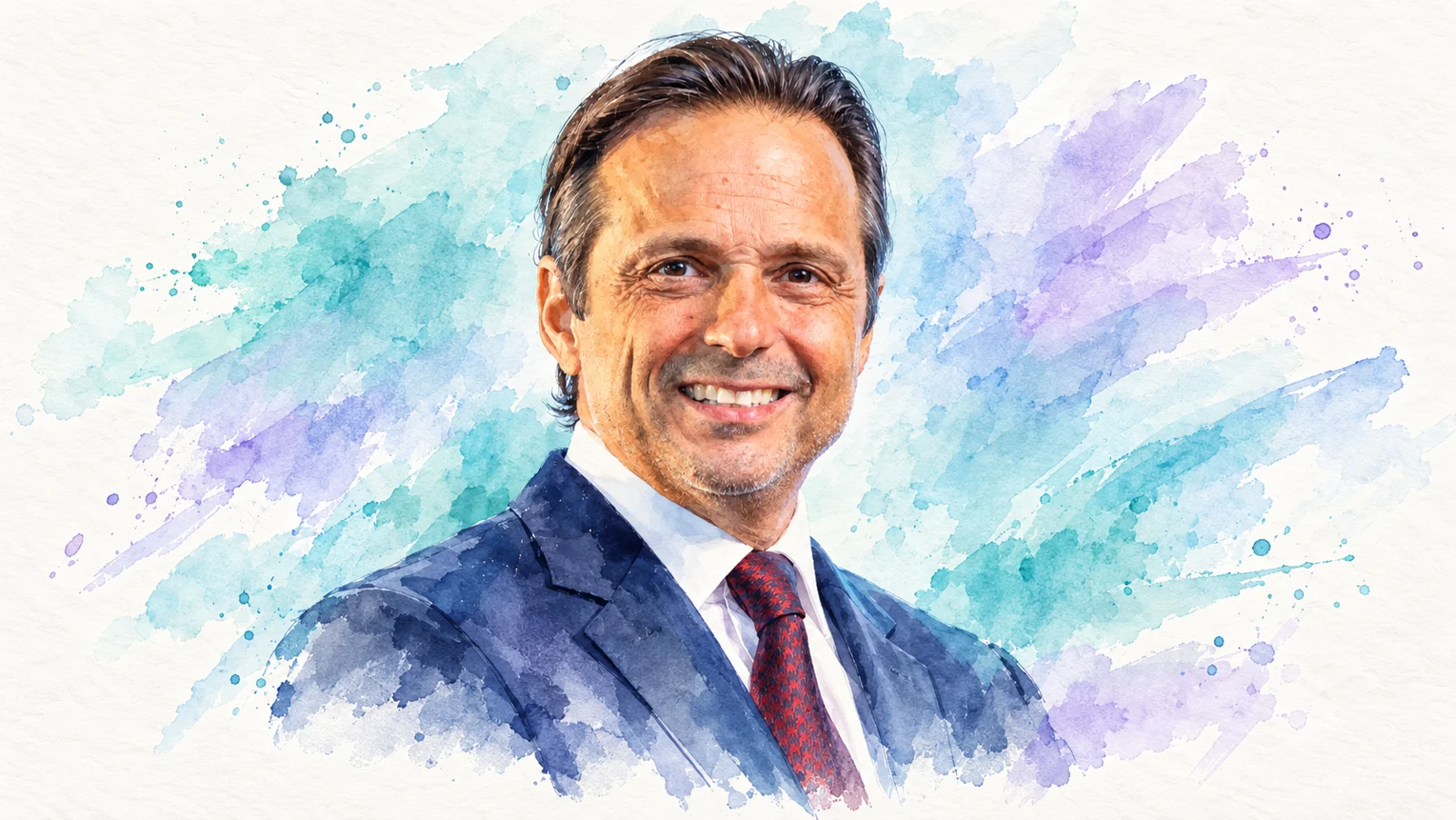
John Pagano’s leadership of Red Sea Global places him at the intersection of real estate development, hospitality operations and environmental management. As Group Chief Executive Officer, he oversees the developer behind The Red Sea and AMAALA on Saudi Arabia’s north-western coast, where the commercial proposition depends on building destinations as well as individual hotels.
Pagano has led the business’s growth since 2018, according to Red Sea Global’s official biography. His tenure offers a case study in the coordination required to turn a large tourism masterplan into an operating network of resorts, transport and supporting services.
From development experience to destination leadership
RSG describes Pagano as bringing nearly four decades of international experience in major developments. Before joining the business, he established Old Fort Capital Investments, an international strategic advisory company focused on large-scale real estate projects.
His academic background combines a mechanical engineering degree from the University of Toronto with corporate finance studies at London Business School. That combination is relevant to a role spanning physical delivery, investment and the long-term operation of tourism assets.
A portfolio extending beyond hotel construction
Red Sea Global’s current corporate overview describes a vertically integrated portfolio covering tourism, residential communities, hospitality experiences, infrastructure, mobility, healthcare and essential services. The Red Sea and AMAALA are its flagship destinations, alongside other developments and infrastructure projects.
For hotel owners, operators and suppliers, that breadth matters. Destination performance depends on the coordination of access, accommodation, utilities and guest experiences. A resort opening is one part of a wider operating system, with decisions made during development shaping the service that operators can deliver later.
The Red Sea began welcoming guests in 2023. On Shura Island, the destination’s central resort hub, the operating portfolio has continued to expand. In a 9 July 2026 announcement, RSG identified five operational hotels: The Red Sea EDITION, InterContinental The Red Sea Resort, SLS The Red Sea, Four Seasons and Miraval. It said all five had achieved LEED Platinum certification under the LEED v4 BD+C Hospitality rating system.
Regeneration as a delivery commitment
A central part of RSG’s positioning is its ambition to improve environmental conditions alongside development. The company targets a 30% net conservation gain across The Red Sea and AMAALA by 2040. This remains a future target, rather than a completed environmental outcome.
In February 2026, RSG published its science-based model for delivering that commitment and made the framework available for wider use. Its environmental programme also includes habitat restoration, biodiversity monitoring and renewable energy infrastructure. The company’s Planet overview reports more than 760,000 solar panels powering The Red Sea.
For the wider hospitality sector, the significance of Pagano’s mandate lies in the relationship between ambition and execution. Environmental targets, hotel standards and infrastructure delivery must continue to work together as guest numbers and the operating portfolio grow. His leadership is therefore best understood through the development and management of an entire destination, with its performance becoming clearer over years of operation.