Marriott brings The Luxury Collection to Cambodia and Laos with twin heritage conversions
Marriott International has signed an agreement with KS Hotels to introduce The Luxury Collection brand to Cambodia and Laos, converting two storied boutique properties into the brand's first-ever entries in…
 News Desk
5 min read
News Desk
5 min read
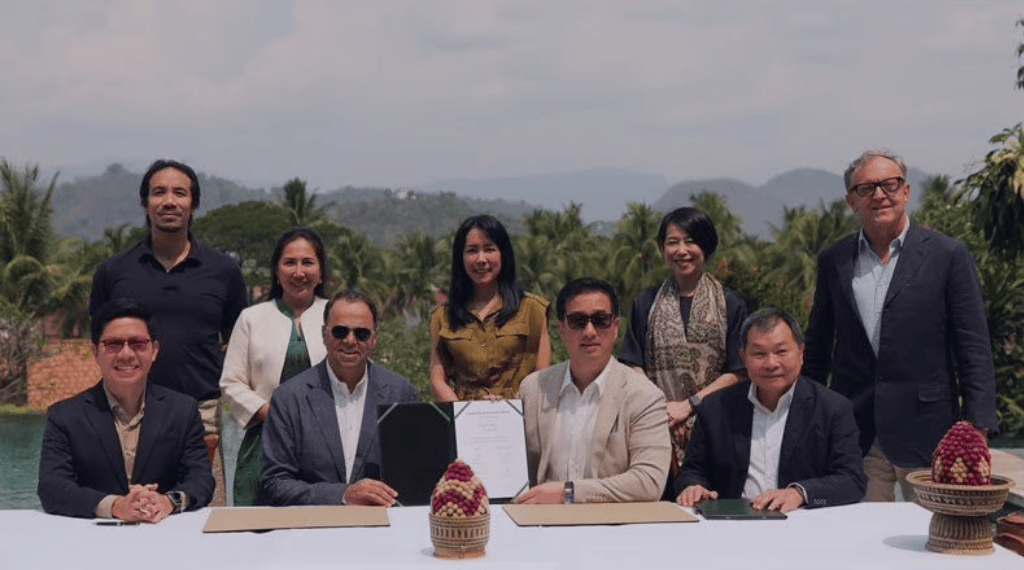
Marriott International has signed an agreement with KS Hotels to introduce The Luxury Collection brand to Cambodia and Laos, converting two storied boutique properties into the brand’s first-ever entries in both countries. The deal, announced in March 2026, positions Marriott firmly within one of Southeast Asia’s fastest-expanding luxury travel corridors.
The two properties in question are La Résidence Angkor in Siem Reap and La Résidence Phou Vao in Luang Prabang. Long regarded as destination landmarks in their own right, both hotels will undergo planned enhancements to meet The Luxury Collection’s global standards while preserving their architectural character, cultural heritage and historical identity.
The signing also marks Marriott’s inaugural presence in Laos, extending the group’s Southeast Asian footprint beyond its existing Luxury Collection portfolio in Thailand, Singapore and Indonesia.
A conversion strategy rooted in place
The choice of conversion over new-build development reflects a deliberate brand philosophy. The Luxury Collection, which spans more than 130 hotels and resorts across 40 countries, positions itself as the ‘destination authority’ within Marriott’s broader luxury stable, favouring properties that are deeply embedded in local culture and history over purpose-built luxury assets.
La Résidence Phou Vao is the earlier of the two scheduled entries, with a target debut of October 2026. Set on a hill overlooking Luang Prabang’s UNESCO-listed old town, the property sits within tropical gardens with views across golden temples and the Mekong River. Following conversion, it is expected to offer 41 rooms and suites featuring traditional Lao craftsmanship, refined materials and private balconies or terraces framing the surrounding landscape.
La Résidence Angkor is scheduled to follow in October 2027. Located along the Siem Reap River at the gateway to the Angkor Archaeological Park, also a UNESCO World Heritage Site, the property will offer 59 rooms including 14 suites ranging from 40 to 126 square metres, each incorporating classical Cambodian design elements. Plans include three exclusive private residences with outdoor pools, a spa, fitness centre and multiple dining venues ranging from a French-influenced brasserie to a street-facing eatery serving Mekong regional cuisine.
Rajeev Menon, President for Asia Pacific excluding China at Marriott International, described the agreement as ‘a defining milestone,’ noting that the properties will ‘blend architectural grace and locally-inspired design’ to deliver culturally immersive experiences for international travellers.
Management structure and operator partnership
The properties will operate within Marriott’s franchise framework, with HMD Asia serving as the on-the-ground management partner. Anthony Lark, Executive Director of HMD Asia, said the arrangement brings together Marriott’s global distribution reach and brand equity with HMD Asia’s local market expertise and approach to luxury management, with the goal of delivering brand-consistent experiences without sacrificing ‘individuality, service excellence, and sustained asset performance.’
This franchise-plus-local-operator model is increasingly common in Southeast Asia, where the nuance of destination-led luxury demands more than standardised brand playbooks. For owners and developers, it offers a path to global brand affiliation while retaining operational depth that purely transactional management relationships can struggle to provide.
A well-timed expansion
The agreement arrives at a moment when Southeast Asia’s luxury hospitality segment is posting some of the strongest growth figures in the world. The Asia-Pacific luxury hotel market is forecast to expand at a compound annual growth rate of around 9% through 2031, with Southeast Asia outpacing the broader regional average.
Cambodia and Laos represent a particular opportunity. Both countries attract heritage-seeking and experiential travellers, yet remain comparatively underserved by international luxury brands. Luang Prabang, with its Buddhist monasteries, French colonial architecture and proximity to the Mekong, has a well-established profile among discerning travellers but limited five-star branded supply. Siem Reap’s proximity to Angkor positions it as one of Asia’s most compelling cultural destinations.
By entering both markets through conversion of established boutique properties, Marriott sidesteps the lead times and development risk of ground-up construction while immediately gaining properties with existing guest recognition and community roots.
Workforce and operational considerations
For hospitality professionals and HR leaders watching the deal, the conversion model carries a specific set of workforce implications. Transitioning an independently operated boutique property into a global brand’s portfolio requires careful management of culture, training and talent retention.
Staff who have built guest relationships and operational knowledge under an independent ownership model must now absorb global brand standards without losing the locally-informed service sensibility that distinguishes these properties. This tension between standardisation and authenticity is one of the more complex workforce challenges in luxury hospitality conversions, and one that operators like HMD Asia will need to navigate thoughtfully ahead of both opening dates.
Strengthening a regional network
For Marriott, the agreement advances a clear strategy of deepening The Luxury Collection’s Southeast Asian presence. The brand’s existing regional portfolio in Thailand, Singapore and Indonesia will be joined by two of the subregion’s most culturally resonant destinations. The pipeline also aligns with Marriott’s broader luxury group trajectory: the company reported over 260 luxury properties in its global development pipeline heading into 2025.
With La Résidence Phou Vao expected to open as a Luxury Collection Resort & Spa in October 2026 and La Résidence Angkor to follow a year later, Marriott’s arrival in both Laos and these new markets represents a considered long-term positioning play rather than a rapid-expansion exercise, reflecting the measured pace that heritage-led luxury conversion demands.