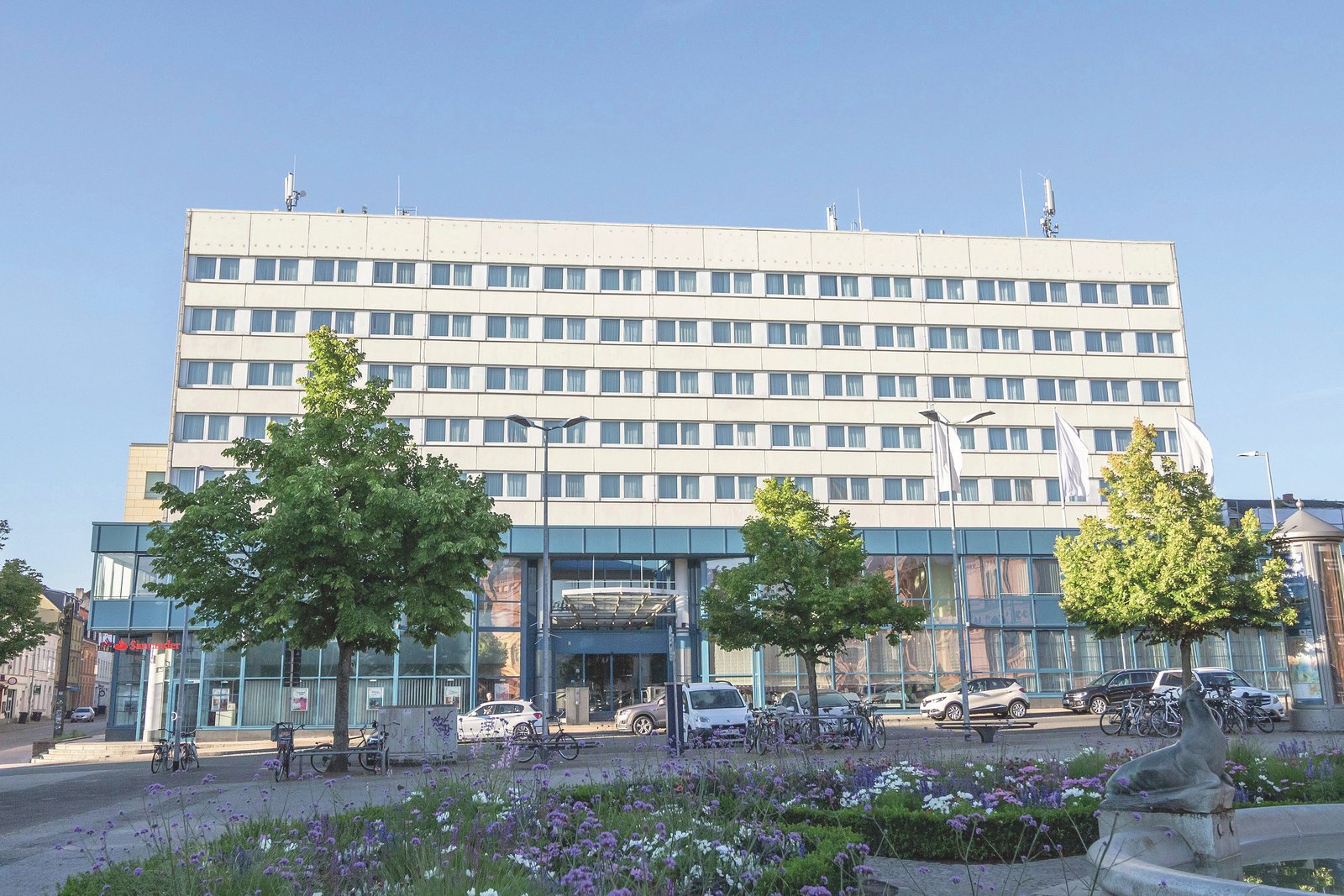
Leonardo Hotels has entered Schwerin through the acquisition of a 180-room former IntercityHotel, with refurbishment and a later move into its main brand planned.
Berlin, 2 November 2026: the company’s announcement confirms that the takeover took effect on 1 November as part of the former REVO portfolio integration.
Leonardo Hotels plans a phased conversion
The interim name is Hotel Schwerin City Center by Leonardo Hotels. Bedrooms, bathrooms and shared areas will be renewed, and air conditioning installed, before the property becomes Leonardo Schwerin City Center.
Facilities include a restaurant and seven meeting rooms, with combined event capacity for up to 140 people. Its position beside the main railway station supports both corporate stays and city visits.
What Leonardo said
Jan Heringa, vice president of development and project management for Central Europe, said the move would “bolster our presence in Germany by adding a further attractive destination”.
A destination with a wider cultural offer
Schwerin’s heritage provides a separate context for leisure demand. The Schwerin Residence Ensemble joined UNESCO’s World Heritage List in 2024. The listed site comprises 38 elements, including the grand ducal palace, cultural and religious buildings, and the Pfaffenteich ornamental lake.
UNESCO describes a city ensemble shaped largely during the nineteenth century, with architecture and landscaped water features designed around the functions of a ducal capital. Its significance extends beyond a single landmark. That gives visitors several reasons to spend time in the city, although heritage status alone does not establish a hotel’s occupancy or commercial performance.
The operating task behind the new name
For hotel teams, a phased conversion makes accurate guest information particularly important. Booking channels, meeting proposals and arrival communications need to describe the facilities guests will actually receive during the transition. The future brand name should not imply that every improvement is already complete.
The same discipline matters for corporate accounts. Planners need clarity about available meeting spaces and any works affecting access, rather than a general promise of an upgraded property. These are operational considerations arising from a conversion, not additional commitments announced by the owner.
The release does not give a refurbishment completion date or investment figure. Until a fuller timetable is confirmed, the acquisition and the finished rebranding should be treated as separate milestones.
Related reading: Gencom’s Rosewood London acquisition and Holiday Inn conversions and development in regional Australia.
Image: © Leonardo Hotels Central Europe.