ITC Hotels has signed a 100-key Fortune Hotel in Vrindavan, Uttar Pradesh, as the group deepens its bet on India’s expanding spiritual tourism economy. The property, scheduled to open in April 2030, will extend the Fortune Hotels brand into one of the country’s most visited pilgrimage destinations, where demand for organised, branded accommodation has long outpaced supply.
The signing adds to a portfolio that is growing at considerable pace. ITC Hotels signed 28 hotels in 2025, adding nearly 2,800 keys to its pipeline, a 26 per cent increase on its 2024 signings. The group’s operational estate now spans more than 150 hotels and 14,000 rooms, as it advances towards a stated target of 220-plus properties by 2030.
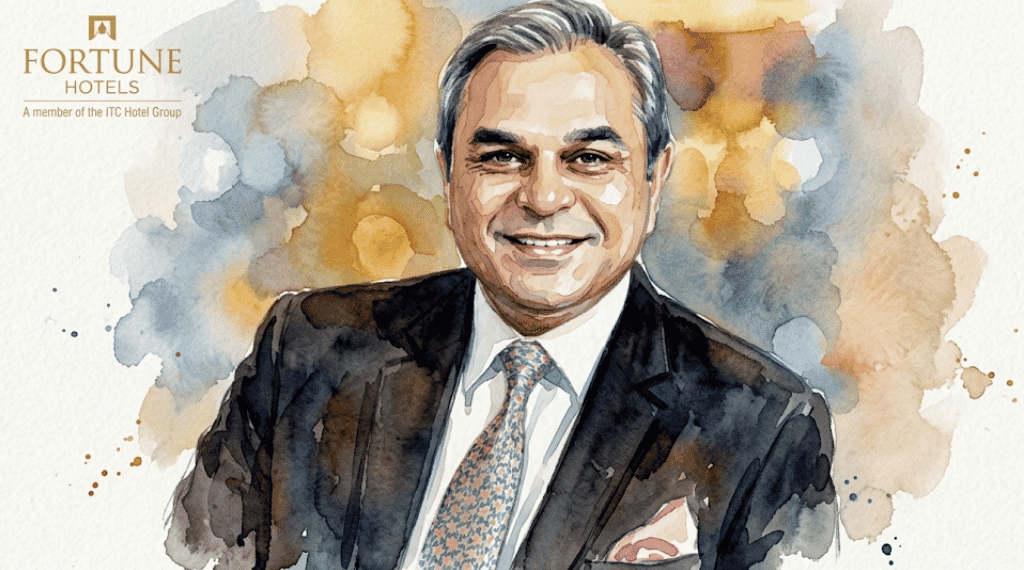
Commenting on the latest agreement, Anil Chadha, Managing Director of ITC Hotels Limited, said the Vrindavan signing directly advances the group’s focus on high-growth leisure and pilgrimage markets. ‘With increasing infrastructure development and rising domestic travel, the city continues to witness a surge in demand for quality branded accommodation,’ he said, adding that the agreement accelerates ITC’s expansion into ‘the evolving pilgrimage landscape.’
Strengthening the Uttar Pradesh portfolio
With this signing, ITC Hotels’ presence in Uttar Pradesh will extend to 17 properties across its operational estate and development pipeline. These include Welcomhotel Prayagraj, WelcomHeritage Badi Kothi and Fortune Select Ayodhya, reflecting a deliberate concentration of assets along the state’s spiritual tourism corridor.
Uttar Pradesh is India’s leading domestic tourism market. The state recorded more than 71 million domestic tourist arrivals in 2024-25, with Mathura-Vrindavan, Ayodhya, Varanasi and Prayagraj identified as the primary drivers of visitor growth. The Mathura-Vrindavan belt, in particular, draws pilgrims throughout the year across a dense cluster of temples, Yamuna ghats and festival events.
Vrindavan’s hospitality gap
Despite sustained visitor volumes, Vrindavan’s accommodation market has historically been dominated by budget lodgings and dharmshalas. The arrival of internationally managed, branded inventory is a relatively recent development, driven by the recognition that a new tier of domestic traveller, including non-resident Indians and metropolitan pilgrims, expects a significantly higher standard of facilities.
That shift has attracted multiple operators. Accor signed a 150-key Novotel Vrindavan in late 2025, targeted for opening in 2029. Radisson Hotel Group has also identified Vrindavan as a priority expansion market for branded entry. The clustering of these announcements signals a structural inflection in the destination’s hospitality landscape.
The Fortune Hotels proposition
The Vrindavan property will feature 100 rooms alongside an all-day dining restaurant and banquet facilities, positioning the hotel to capture a mixed demand profile that spans pilgrim stays, small social events and corporate groups. Fortune Hotels typically operates at the mid-scale to upper-midscale tier, making it accessible to the aspirational domestic traveller while maintaining the service and facilities standards that distinguish branded inventory from the unorganised market.
Fortune Hotels forms a central pillar of ITC’s ‘asset-right’ strategy, which prioritises management contracts and strategic partnerships over owned real estate. The brand currently has 82 signed alliances spanning more than 6,200 rooms across 68 cities in India, including Nepal. With sub-brands covering urban business hotels, leisure resorts and nature retreats, the portfolio is increasingly diversified beyond its original mid-market positioning.
Recent months have seen the Fortune brand extend into Maharashtra through signings at Fortune Select Nashik and Fortune Jungle Resort Tadoba, marking its first nature resort format and confirming the range of formats the brand is now prepared to operate.
A broader strategic signal
The Vrindavan signing reflects a pattern visible across India’s hospitality sector. Major brands are entering spiritual cities not simply to capture niche pilgrimage demand, but because these markets combine year-round visitor flow with improving government investment in infrastructure, connectivity and urban development. The Mathura-Vrindavan Redevelopment programme is among a series of state-backed initiatives reshaping the physical and visitor experience of UP’s key religious sites.
For ITC Hotels, building scale in UP gives the group a concentrated presence across a corridor that serves multiple demand drivers: Prayagraj for Kumbh-related demand and convention travel, Ayodhya for the surging post-Ram Temple pilgrim influx, and now Vrindavan for the Braj region’s devotional circuit and festival calendar.
Opening in 2030, Fortune Hotel Vrindavan will enter a market that is expected to look considerably different from today. The question for ITC, and for the sector more broadly, is whether the infrastructure investment and improved connectivity will translate into sustained premium demand, or whether pilgrimage markets, once the initial branded novelty passes, revert to the price sensitivity that has historically defined them. The group’s accumulating presence across the corridor suggests it is prepared to take that long view.