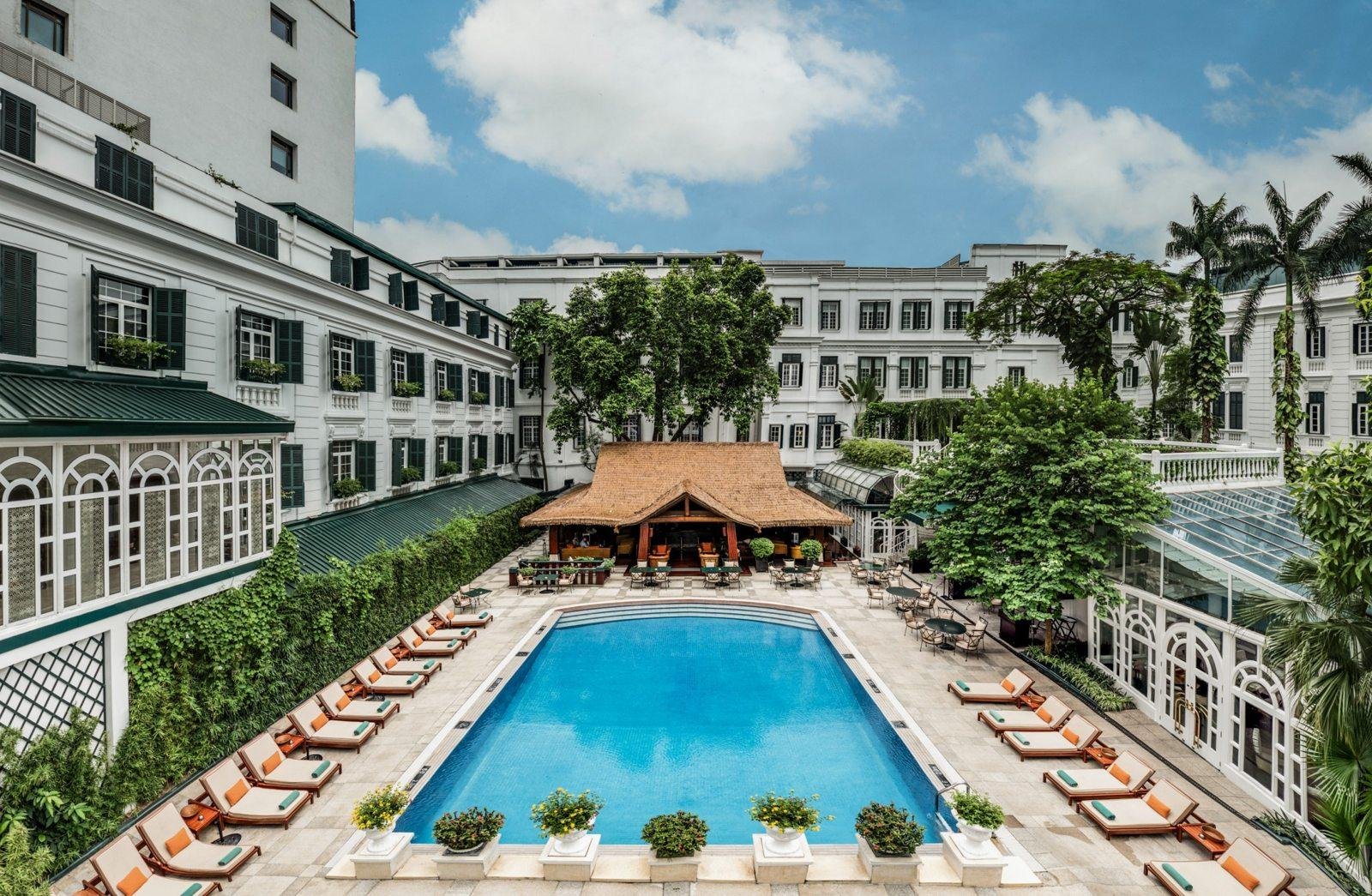
Sofitel Legend and UNESCO have announced a global cultural heritage partnership, beginning at Sofitel Legend Metropole Hanoi during the hotel’s 125th anniversary year. Announced on 26 October, the agreement will connect hotel guests with local traditions and heritage specialists before a gradual international rollout.
Sofitel Legend and UNESCO begin in Hanoi
The programme combines artisan collaborations, training for hotel teams, cultural events and voluntary donations through ALL Accor Charity. Guests will be able to contribute loyalty points. In Hanoi, proposed experiences include coffee traditions, a visit to Bát Tràng pottery village and specialist-led access at the Imperial Citadel of Thăng Long.
The operational emphasis is on concierges and other hotel staff becoming better-equipped interpreters of their destinations. The announcement outlines a programme and its ambitions, rather than completed conservation results or a new certification for participating hotels.
A launch property with its own restoration history
The Metropole opened in 1901. Its 2026 anniversary programme is organised around heritage, cultural discovery, a principal celebration and the festive season, placing the new collaboration within a wider year of historical interpretation and guest programming.
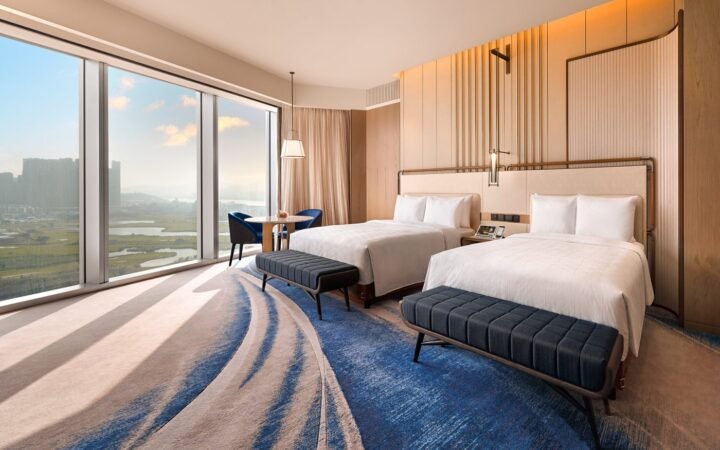
The hotel’s own built heritage has also required substantial investment. Its original Heritage Wing reopened in December 2023 after a 21-month renovation covering 103 rooms and suites. The project retained selected original features while updating interiors, bathrooms, lighting, air-conditioning and connectivity.
Singapore-based David Grace Designs International designed the renewed lobby and accommodation. The original wooden staircase and its banisters were preserved, while public-area carpets drew on Vietnamese cultural motifs. That earlier work provides a concrete example of the choices heritage hotels face when combining an old building with contemporary operating requirements.
Understanding the destination, not just the hotel
UNESCO inscribed the Central Sector of the Imperial Citadel of Thang Long on the World Heritage List in 2010. Built in the 11th century over an earlier fortress, the site reflects successive layers of political power and cultural exchange in the Red River region. Its archaeological remains make it a different kind of visitor experience from a hotel history tour.
For operators, the practical test of a heritage partnership is whether local expertise genuinely shapes the experience and whether communities benefit from participation. Announcing the relationship is the starting point; delivery, interpretation and demonstrable outcomes will determine its longer-term value.
Related WINC coverage includes The Luxury Collection’s heritage conversions in Cambodia and Laos and Oberoi’s opening of the restored Naila Fort, two other examples of hospitality businesses working with historic settings.