Hilton and Olive Hospitality Sign First 10 Spark by Hilton Hotels in India, Targeting 150-Property Rollout
Hilton and Olive Hospitality have signed India's first 10 Spark by Hilton hotels, marking the opening move in a 150-property franchise agreement and the most concrete signal yet of the…
 News Desk
5 min read
News Desk
5 min read
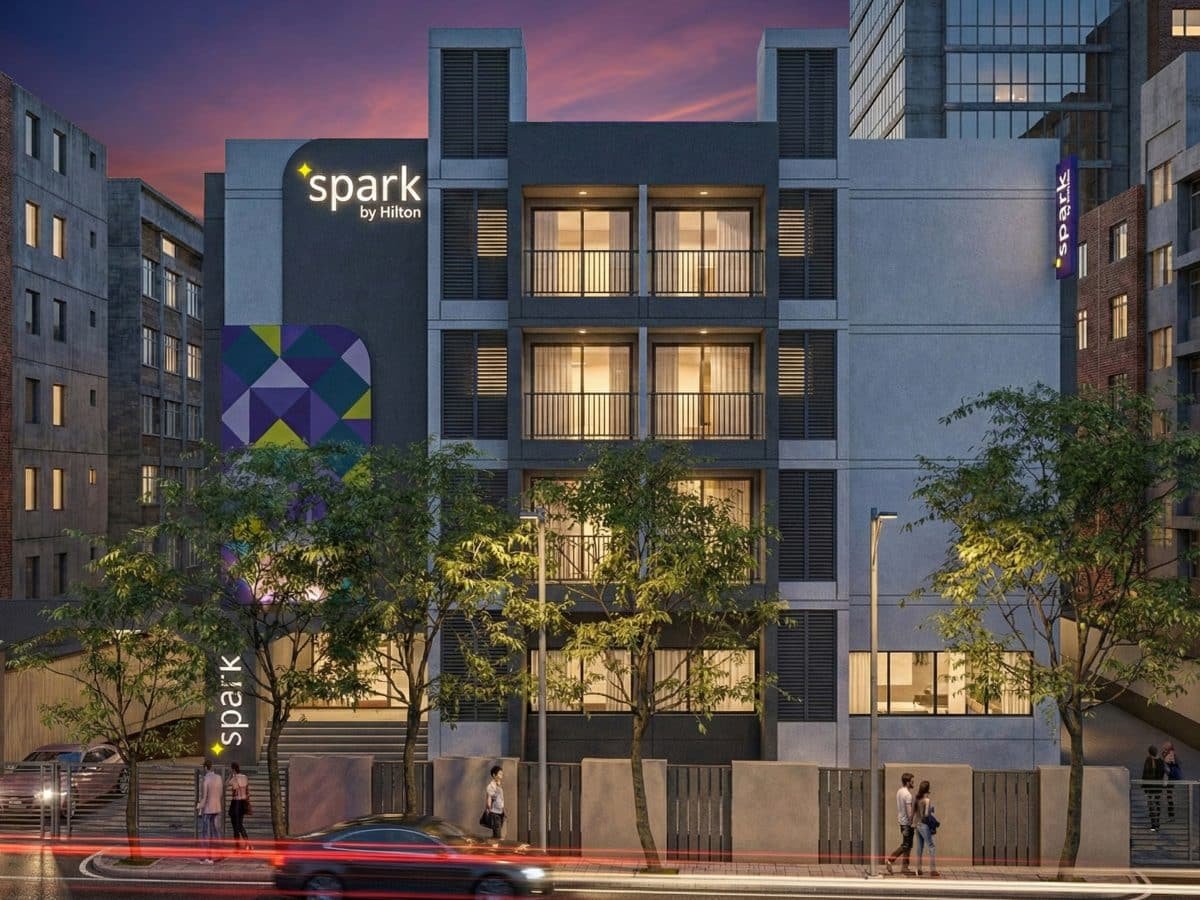
Hilton and Olive Hospitality have signed India’s first 10 Spark by Hilton hotels, marking the opening move in a 150-property franchise agreement and the most concrete signal yet of the global operator’s determination to scale aggressively in the country’s fast-growing midscale segment.
The signings, announced on 22 April 2026, advance a strategic agreement first concluded in 2024 and target a geographically diverse spread of locations: Bengaluru, Goa, Jaipur, Nashik, Mathura, Pune, Rajkot and Hyderabad. The selection deliberately combines established metros with emerging commercial and leisure destinations, reflecting a broader industry shift away from gateway-city concentration towards markets where infrastructure growth and rising domestic travel are generating sustained hotel demand.
The brand and what it offers
Spark by Hilton was launched in January 2023 as Hilton’s first venture into the premium economy segment, and its first brand designed primarily around hotel conversions rather than new-build development. The conversion-led model is central to its appeal for owners: rather than committing to greenfield capital expenditure, existing property operators can enter the Hilton ecosystem with comparatively modest investment, gaining access to Hilton’s global distribution platform, revenue management technology and the Hilton Honors loyalty programme.
In India, the brand will be characterised by functional, clean design, multi-use public spaces with communal seating, a complimentary breakfast incorporating local menu items and 24-hour retail access. Digital tools including app-based check-in, room selection and Digital Key will be available to Hilton Honors members who book direct.
Andrew Ling, regional head for focused service and all-suites brands at Hilton Asia Pacific, described the offer as ‘thoughtful simplicity and elevated essentials’, adapted meaningfully to local preferences for a generation of travellers who ‘value quality, comfort and consistency at an accessible price point.’
Olive Hospitality: the operating partner
Olive Hospitality, established in 2019 as the hospitality platform of Bengaluru-based Embassy Group, brings a track record of rapid scaling in India’s mid-market. Its current portfolio spans 126 hotels across 22 cities, comprising 5,079 keys, of which 2,334 are operational. The platform operates across multiple brand formats, including its own Olive Hotel brand, the AI-enabled soft brand Open Hotels, and now Spark by Hilton.
Co-founder and CEO Kahraman Yigit emphasised the conversion focus as the strategic logic behind the partnership: ‘Our approach is centred on enabling efficient conversions, allowing owners to enter the branded ecosystem seamlessly while delivering a high-quality experience for guests from day one.’ He described the 10-signing milestone as setting ‘the tone for the pace of growth we are building together.’
That pace has direct relevance for property owners across India’s secondary and tertiary cities, many of whom operate established but unbranded assets and are seeking branded affiliation without the disruption of a full rebuild.
India’s midscale: the scale of the opportunity
Clarence Tan, Senior Vice President, Development, Asia Pacific at Hilton, cited India’s ‘hugely untapped mid-market segment’ as the central rationale. The country’s domestic travel market has expanded significantly in recent years, driven by an expanding middle class, improved road and rail connectivity, and the increasing prevalence of business activity beyond the major metros.
For global operators, the challenge has always been replicating branded consistency across India’s geographic and cultural diversity at a price point accessible to domestic travellers. The franchise model that underpins Spark by Hilton is specifically designed to address this: rather than deploying central capital, it empowers local owners to deliver a standardised product within a global brand framework.
Part of a much larger India bet
The Spark signings sit within a broader, multi-brand India push. Hilton has also concluded agreements with NILE Hospitality for 75 Hampton by Hilton hotels and with Royal Orchid Hotels for a further 125 Hampton properties. Taken together, these agreements and Hilton’s existing operating pipeline position the group to exceed 400 hotels in India in the coming years.
That ambition reflects a wider competitive dynamic in which global chains, including IHG, Marriott and Accor, are all making significant midscale commitments in India, recognising that the country’s hotel stock remains deeply undersupplied relative to demand across all but the top tier of its largest cities.
Workforce implications
The franchise and conversion model embedded in the Spark strategy has specific implications for workforce planning. Conversion properties do not arrive with Hilton-trained teams; they require accelerated onboarding, brand standards training and, in many cases, significant capability development in service culture and technology adoption.
As Olive scales towards 150 Spark properties alongside its broader portfolio, its ability to standardise hiring pipelines, training infrastructure and people management processes across a geographically dispersed estate will be as important to the partnership’s success as the physical conversion of the buildings themselves. The HR architecture of a 150-hotel franchise rollout, particularly across tier 2 and tier 3 India, is not a footnote to the story: it is the execution challenge that determines whether the brand promise translates into consistent guest experience.