
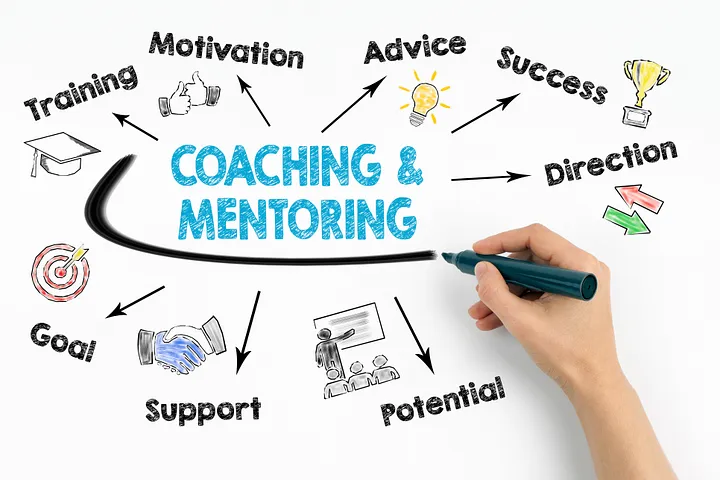
When you’re juggling talent retention targets and leadership pipeline gaps, mentoring and coaching aren’t just development activities—they’re your strategic lifelines. Yet too many organisations treat them as afterthoughts, relegating powerful growth engines to the realm of “when we have time.” The reality? When done properly, they don’t just develop people; they transform entire workplace cultures. But here’s the thing: execution makes all the difference between programmes that flourish and those that quietly fade away.
Understanding What You’re Actually Building
Before you roll out another development initiative, let’s get something straight: mentoring and coaching serve completely different purposes. Mixing them up is like using a scalpel when you need a telescope. Each has its place, but knowing when and how to deploy them determines whether you’re building capability or just keeping busy.
Mentoring: The Strategic Conversation Partner
Think of mentoring as your organisation’s wisdom transfer mechanism. It’s where experienced professionals share not just what they know, but how they think. A skilled mentor doesn’t solve problems for their mentee—they ask the questions that unlock new perspectives. They help people navigate career crossroads, understand organisational dynamics, and develop the kind of strategic thinking that can’t be taught in workshops.
Coaching: The Performance Accelerator
Coaching operates in the immediate. It’s about improving specific skills, overcoming particular obstacles, and achieving defined outcomes within set timeframes. Where mentoring explores the “why” and “what if,” coaching focuses on the “how” and “when.” It’s practical, measurable and designed to close specific competency gaps quickly.
Building Mentoring That Actually Works
You’ve probably seen mentoring programmes that start with enthusiasm and end with… well, nothing much. The difference between success and disappointment lies in how you structure the relationship from day one.
1. Curiosity Before Counsel
The most effective mentors resist the urge to jump straight into advice-giving mode. Instead, they invest time understanding their mentee’s aspirations, frustrations and working style. What challenges keep them awake at night? Where do they see themselves in three years? This foundation of understanding ensures every conversation adds genuine value.
2. Questions That Unlock Thinking
Great mentors are question architects. They craft enquiries that help people discover their own solutions. Consider these conversation starters:
- “What possibilities haven’t you considered yet?”
- “If you could wave a magic wand, what would success look like?”
- “What’s the connection between this challenge and your longer-term goals?”
These questions don’t just solve immediate problems—they build critical thinking muscles.
3. Embracing Reverse Learning
Here’s what many senior leaders miss: mentoring works both ways. Your emerging talent understands technology, social dynamics, and market trends in ways that can refresh your own perspective. Smart mentors actively seek these insights, creating relationships where wisdom flows in both directions.
Coaching That Creates Real Change
Effective coaching isn’t about being everyone’s cheerleader. It’s about creating structured pathways to improved performance, complete with measurable milestones and clear accountability.
1. Crystal Clear Outcomes
Vague coaching goals produce vague results. Whether someone needs to improve their presentation skills, manage conflict more effectively, or transition into team leadership, establish specific, measurable objectives from the start. What does success actually look like? How will you both know when you’ve achieved it?
2. Building Self-Reliance Through Inquiry
The best coaches resist solving problems for people. Instead, they guide discovery through strategic questioning:
- “What’s your gut telling you about this situation?”
- “Which approach aligns best with your natural strengths?”
- “What would you advise someone else facing this same challenge?”
This approach builds confidence and problem-solving capability that extends far beyond the coaching relationship.
3. Maintaining Forward Momentum
Coaching loses impact without consistent rhythm. Regular touchpoints—whether weekly, fortnightly or monthly—maintain focus and provide opportunities to adjust course when needed. Think of these sessions as performance pit stops rather than crisis interventions.
Making Programmes Stick
You’ve probably witnessed promising initiatives that started strong but gradually lost steam. Sustainability requires intentional design choices that keep engagement high and outcomes visible.
1. Strategic Matching
Random pairings kill programme momentum faster than almost anything else. Consider personality types, communication preferences, career aspirations, and even working styles when creating mentoring or coaching partnerships. The chemistry matters more than you might think.
2. Metrics That Matter
Track both quantitative outcomes (promotion rates, retention figures, engagement scores) and qualitative changes (increased confidence, expanded networks, enhanced decision-making). When you can demonstrate clear value, stakeholder support follows naturally.
3. Amplifying Success Stories
Don’t let achievements happen in silence. Share transformation stories through your internal communications channels, team meetings, and leadership forums. Success breeds success, and visibility creates momentum for programme expansion.
Where Leadership Makes the Difference
Here’s something many organisations get wrong: they treat mentoring and coaching as HR programmes rather than leadership practices. The most successful initiatives have visible leadership involvement—not just as programme sponsors, but as active participants who mentor others and seek coaching themselves.
When your leadership team models growth mindset behaviours, it signals to the entire organisation that development isn’t just encouraged—it’s expected. This cultural shift transforms mentoring and coaching from optional extras into integral parts of how work gets done.
Your Next Steps
Mentoring and coaching aren’t just development tools—they’re cultural investments that pay dividends across your entire organisation. They build the kind of adaptive, growth-oriented workforce that thrives in uncertainty and drives innovation.
So here’s the question: What’s your current approach teaching people about growth, learning and mutual support? Because whether you realise it or not, you’re already shaping a culture. The only question is whether it’s the one you actually want.
Start small, measure everything, and remember: the best programmes don’t just develop individuals—they create ripple effects that strengthen your entire organisational fabric.