Future-Proofing the Supply Chain: Talent and Culture as Strategic Anchors
Supply chains today face unprecedented challenges, from inflation and energy volatility to economic uncertainty. Yet here’s what many organisations miss: the real competitive advantage isn’t just in logistics or procurement…
 Steve Rogers
5 min read
Steve Rogers
5 min read
Supply chains today face unprecedented challenges, from inflation and energy volatility to economic uncertainty. Yet here’s what many organisations miss: the real competitive advantage isn’t just in logistics or procurement efficiency. It’s in the people managing these processes and the culture that drives their decisions. Having worked across hospitality, HR and operational transformation, I’ve witnessed this truth repeatedly: the most resilient supply chains are anchored by strategic talent management and cultures that embrace change.
Every Supply Chain Is Really a Human Story
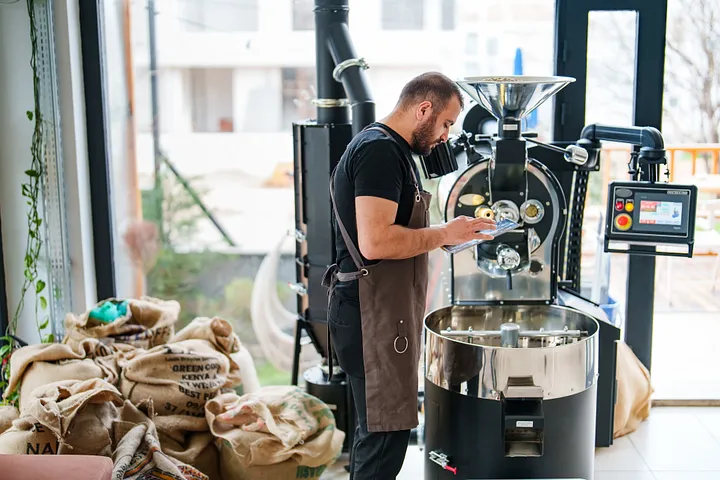
Consider your morning coffee journey. Those beans travelled from South American farms to your cup through countless human touchpoints. Each person in that chain matters: the farmer’s expertise, the logistics coordinator’s planning, the buyer’s market knowledge. When supply chains fail, it’s rarely just about systems. It’s about people making decisions under pressure, adapting to unexpected changes, and maintaining quality standards despite disruption.
Why Talent Has Become Your Supply Chain’s Critical Component
Talent strategy isn’t just important anymore, it’s become mission-critical. Today’s supply chain risks extend far beyond blocked shipping routes or fuel price spikes. A skills gap in digital literacy can paralyse operations just as effectively as a natural disaster. Poor leadership capability can amplify minor disruptions into major crises.
Here’s what concerns me: despite endless talk about digital transformation, many organisations still treat digital skills as optional extras in their hiring criteria. This represents a dangerous strategic oversight.
You need people who understand transformation, who can manage change effectively, and who possess commercial acumen alongside technical expertise. Without this combination, even the most sophisticated supply chain strategies fall apart when pressure mounts.
Building Capabilities for Tomorrow’s Challenges
If you think supply chains have evolved dramatically over the past 25 years, brace yourself. The next five years will bring changes that make previous transformation look gradual. AI integration, automation expansion, sustainability mandates, and emerging trading models are reshaping everything. But sophisticated technology means nothing without capable people to harness its potential.
Smart leaders are recognising workforce capability as essential infrastructure investment. This goes beyond traditional training programmes. Real capability development happens when learning integrates into daily work, allowing your people to experiment, adapt and refine their skills whilst solving actual business challenges.
Leadership capability becomes particularly crucial here. Your managers need coaching skills, the ability to motivate diverse teams, and the expertise to align cross-functional efforts. These aren’t nice-to-have qualities anymore; they’re fundamental requirements.
Culture: Your Supply Chain’s Hidden Operating System
Organisational culture functions like invisible infrastructure. In resilient organisations, it provides both direction and flexibility, binding teams through shared values whilst enabling rapid adaptation when circumstances shift. Think of culture as your operational shock absorber.
Too many organisations only appreciate cultural adaptability after disruption exposes their rigidity. But forward-thinking companies build anticipatory cultures, not reactive ones.
These cultures celebrate initiative, encourage intelligent risk-taking, and create psychological safety for teams to voice concerns or suggest improvements. This environment naturally attracts high-calibre talent, accelerates innovation, and builds sustainable competitive advantage.
Practical Steps for Supply Chain Future-Proofing
Here’s how you can strengthen your supply chain’s human foundation:
- Conduct Comprehensive Vulnerability Assessments: Run scenario-based stress tests covering cyber threats, extreme weather, and skills shortages. Understand your exposure points.
- Prioritise Workforce Agility: Map current skill gaps across your supply chain functions and invest in developing digital, analytical and leadership capabilities.
- Implement Technology Strategically: Avoid technology for its own sake. Focus on platforms that enhance visibility, improve data utilisation, and support better decision-making.
- Integrate Sustainability Deeply: Move beyond compliance thinking. Design operations that genuinely support your ESG objectives and meet evolving customer expectations.
- Cultivate Change-Ready Culture: Develop managers as change agents. Shape culture intentionally rather than letting it drift.
Why This Demands Cross-Functional Leadership
Supply chain resilience can’t remain siloed within operations teams. HR leaders, strategy teams, and C-suite executives must collaborate around shared adaptability frameworks. Talent and culture aren’t just HR concerns anymore; they’re boardroom imperatives that directly impact operational performance.
From my experience leading people-centred transformations across automotive systems and luxury hospitality, lasting success requires more than efficient systems. It demands belief in your mission, behaviour aligned with your values, and genuine belonging within your teams.
The question isn’t whether to invest in talent and culture, but how thoroughly you’ll commit to this investment. Are you prepared to position people at the centre of your supply chain strategy?
Tomorrow’s challenges won’t wait for perfect preparation. Let’s build resilient supply chains together, starting today.