Longevity clubs: 3 tests for luxury hospitality
Longevity clubs are giving luxury hotels a new reason to court local members. Instead of serving an overnight guest once or twice a year, a club has to make itself…
 Sarah Shaw
4 min read
Longevity clubs are giving luxury hotels a new reason to court local members. Instead of serving an overnight guest once or twice a year, a club has to make itself useful week after week. That changes how operators think about staffing, membership and the relationship between a hotel and its neighbourhood.
Jeff Renault, founder of CELVYA Paris, argued on LinkedIn that future private clubs could bring together movement, recovery, nutrition and a social community. He described that ambition for CELVYA Circle. His post puts forward a concept; it does not announce an opening, availability or results. Two operating examples make it easier to see what hospitality groups would have to deliver.
1. Give members a reason to come back
IHG opened Six Senses London at The Whiteley in March 2026. It included the first Six Senses Place, a private members’ club whose London offer puts dining, workshops and social spaces alongside a gym, spa and a longevity clinic. The breadth matters because a member may come for a meal or a class on an ordinary weekday, not just for a specialist appointment.
A hotel can plan a restorative weekend around a guest’s booking. A club has to make its timetable work around members who live or work nearby. That means finding out which classes fit before work, when members prefer quiet and which events need a host who can introduce newcomers. A premium fit-out cannot answer those questions. Usage by time of day and attendance after the initial sign-up period can.
2. Separate the hospitality promise from the clinical one
Maybourne’s Surrenne operates a membership model in London and the French Riviera, with its Belgravia club at The Emory. Its membership offer combines fitness, wellbeing and specialist services. At Six Senses Place London, the club lists a partnership with HUM2N for its longevity clinic. These examples show how different operators bring specialist services into a hospitality setting, not that every club needs medical provision.
The important handover comes between the two teams. A front-desk host can explain what a visit includes and introduce a practitioner; they should not interpret results or make promises about health outcomes. Before a launch, managers should know who handles suitability questions, consent and personal information, and who responds if something goes wrong. The service needs to feel connected to the member without blurring responsibilities behind the scenes.
3. Make community part of the operating plan
Members notice when a club remembers their preferences, gives them an easy way to join an activity and makes a visit feel worthwhile even without a treatment booking. Those details depend on the team. A membership manager needs a repeatable way to welcome people, while the spa, dining and events teams need to know when to coordinate and when to give members space. A busy calendar alone tells a manager little about whether people have formed useful connections.
Operators can test the model in the first 90 days of a membership. Look at whether new members book a second visit, how many activities they try and which time slots they return to after their initial induction. Pair those indicators with feedback about access, noise, privacy and whether people feel comfortable arriving alone. That gives teams something they can act on before the first renewal cycle.
WINC Wire has previously looked at what hotels need to deliver wellness tourism and Minor Hotels’ Life Longevity model. A club adds a further test: will a member choose to come back on a normal Tuesday, when there is no holiday and no special occasion?
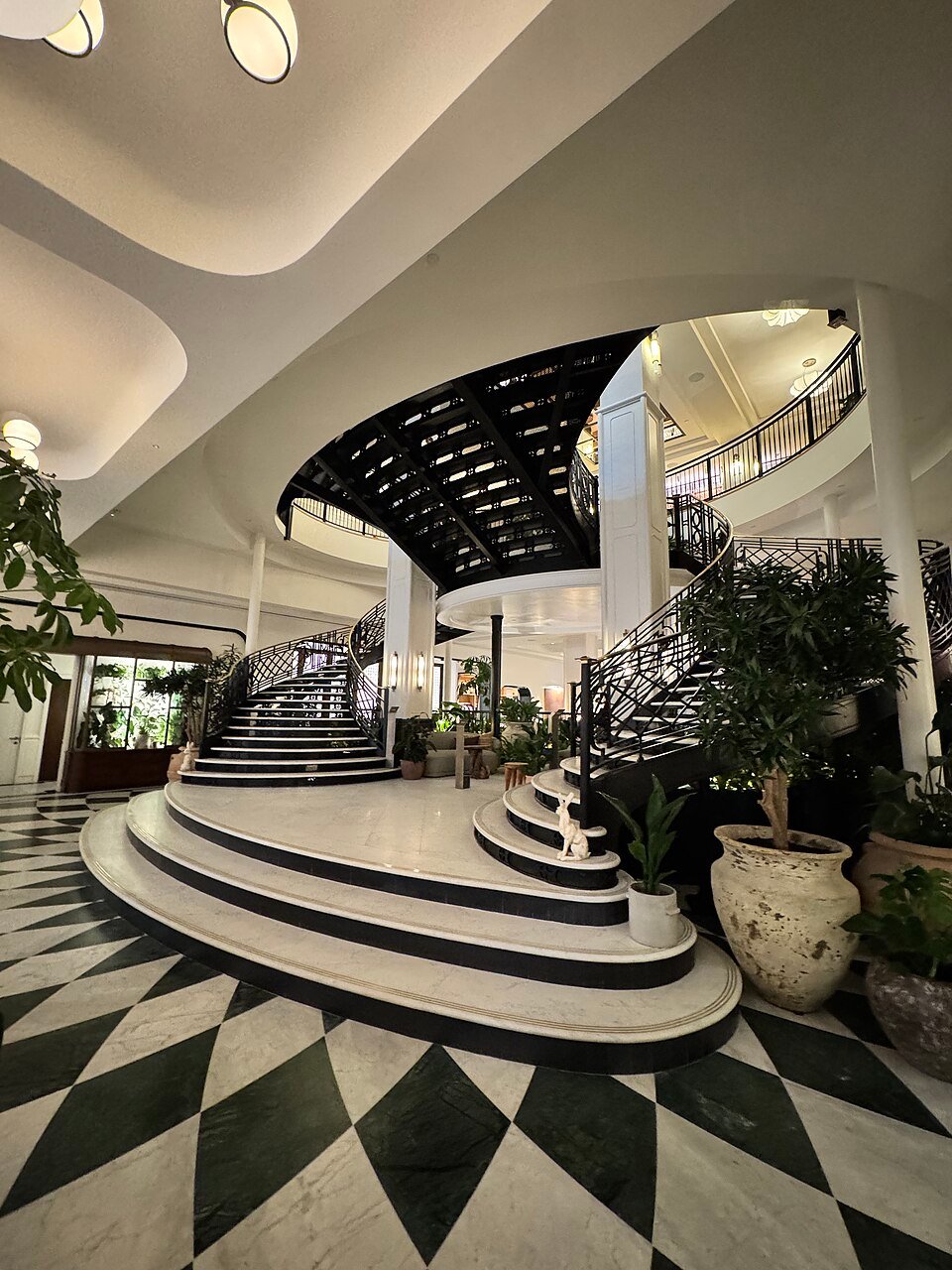
Photograph: the grand staircase at Six Senses London. Fabiovieiramd / Wikimedia Commons, CC BY-SA 4.0 (resized).