Bob Suri’s Four Seasons remit brings city and resort operations together
Bob Suri retains Four Seasons Abu Dhabi while overseeing properties across Africa and the Indian Ocean. What does that mean for hotel leadership?
 Sarah Shaw
4 min read
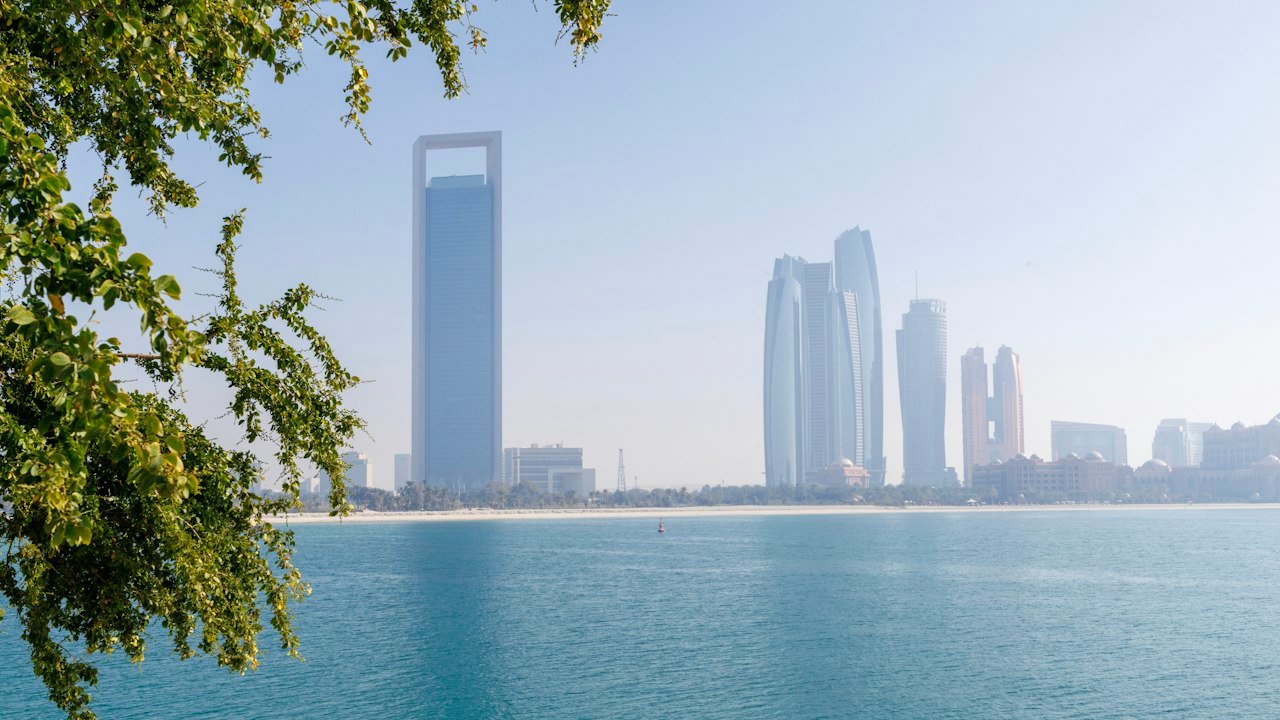
Bob Suri has taken on regional oversight of Four Seasons properties across Africa and the Indian Ocean while remaining general manager of Four Seasons Hotel Abu Dhabi at Al Maryah Island. The appointment took effect on 1 October 2026, according to Hotelier Middle East. His portfolio includes Johannesburg, the Serengeti, Mauritius, two Seychelles properties including Desroches Island, and the forthcoming resort in Zanzibar. Four Seasons lists Suri as regional vice president and general manager in its Abu Dhabi leadership profile.
The combination of properties makes this more than a change of title. A city hotel can depend on repeat business, restaurants used by local guests and back-to-back meeting schedules. The experience at a safari lodge may turn on timing drives around wildlife and weather. An island resort has to think carefully about transfers, staff accommodation and supplies. The new remit offers a useful case study in where common standards help, and where they would get in the way.
Bob Suri at Four Seasons: Moving between destinations
Suri joined Four Seasons in 2004 in food and beverage at its Toronto hotel and became director of food and beverage at Whistler. After a role in Damascus, he served as resort manager in the Seychelles. He helped open Four Seasons Hotel Bahrain Bay and Four Seasons Resort Dubai at Jumeirah Beach, and became general manager in Baku in 2019 before taking the Abu Dhabi post in 2023. His return to oversight of the Seychelles is particularly relevant: one past assignment joins a portfolio that now spans very different operating environments.
The route from food and beverage to regional leadership is telling. A busy restaurant already requires the type of coordination a regional leader needs to assess: the kitchen, floor, reservations and purchasing teams all influence whether a promise to a guest can be honoured. At a city hotel, that might mean adapting an evening service to late arrivals; on a remote island, it might mean changing the plan earlier because there is no alternate supply run. The test is whether the operational standard travels without assuming the same response will work everywhere.
What can travel across the portfolio?
Hotels can share ways of coaching supervisors, preparing emergency cover and tracking unresolved guest requests without imposing an identical guest experience. The regional office can also support internal moves and give emerging leaders experience of settings they would not encounter in their home property. Pre-opening teams in particular can draw on people who have already helped launch a property, provided those moves do not leave existing hotels without enough cover or a clear succession plan. Local teams are best placed to decide which suppliers, partnerships and guest routines will work in their destination.
Ownership adds another reason to distinguish common practice from local decision-making. WINC Wire has reported separately on RIVEO’s appointment of Gregory Coquet, covering the Mauritius-listed owner of Four Seasons Resort Mauritius at Anahita and another branded resort. The owner’s responsibilities and the operator’s regional remit are different. A regional lead can identify where investment or training would make a difference, but local hotel teams and owners still need clear accountability for what is approved and delivered.
Zanzibar is a practical test
Four Seasons and Albwardy Investment announced a resort at Pongwe in 2024 and described an island stay that could complement a Tanzanian safari. Four Seasons’ November 2026 announcement of a 2028 private jet itinerary still describes the property as forthcoming. Inclusion in that itinerary is not an opening date.
For operators, the next signals to watch are how the opening team is assembled, where experienced colleagues are deployed, and what decisions stay with management on the ground. The company has not set those arrangements out in the appointment reporting. Suri’s mandate gives him the opportunity to transfer what works between hotels while continuing to run one himself. It will matter most if the properties can learn from one another without losing the features that give guests a reason to visit each destination.
Abu Dhabi waterfront, contextual image. Photo: Dohyuk You / Unsplash. Photo source · Licence.