Christian Westbeld and the challenge of scaling Capella’s local service
Capella’s Southeast Asia regional remit spans Singapore, Bali and Hanoi. What should a luxury hotel group standardise, and what should it leave local?
 Sarah Shaw
4 min read
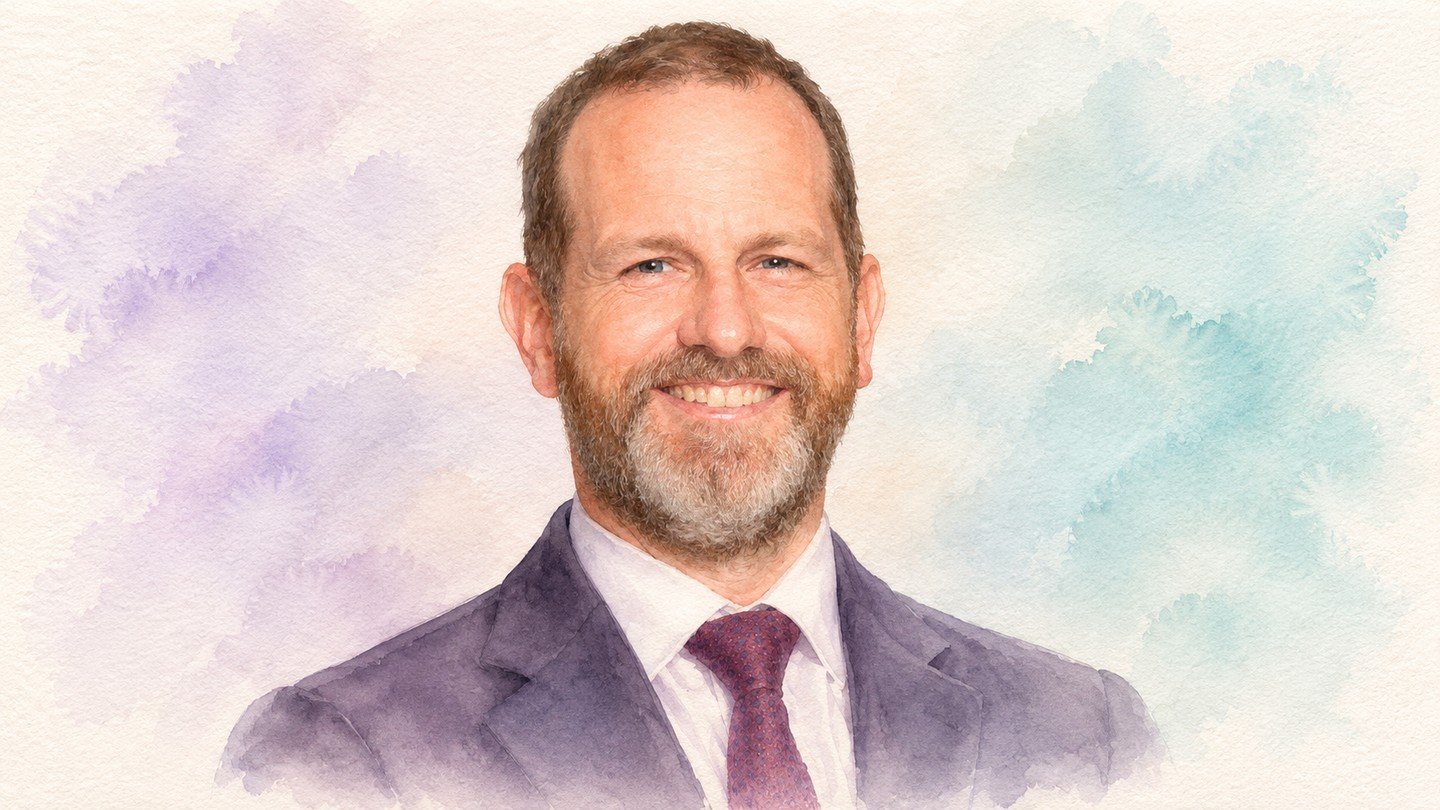
Christian Westbeld’s regional remit at Capella is a useful test of what a luxury hotel group can standardise without making its properties feel interchangeable. The group’s 30 June appointment announcement put Capella Singapore, Capella Ubud and Capella Hanoi under his oversight as Regional General Manager, Southeast Asia. The appointment is not new. The operating question remains current: how do colleagues across three markets learn from one another without erasing the differences guests came to experience?
Christian Westbeld’s route through heritage and scale
Capella traces Westbeld’s career through food and beverage and senior hotel roles at Raffles across Dubai, Beijing and Singapore, followed by large integrated resorts at MGM China. He returned to Raffles Singapore as general manager in 2017 and subsequently led the hotel as managing director, overseeing its restoration, relaunch and repositioning. His earlier remit also included regional responsibility for Raffles Indonesia. The combination matters because preserving the character of one hotel and establishing a dependable operating structure across several are different tasks.
That distinction is visible at the Sentosa flagship. Capella describes a property that combines restored Tanah Merah heritage buildings with contemporary architecture, set in extensive tropical grounds. The building gives teams a story, but it does not decide how to introduce that story to a family arriving early, an events delegate on a tight timetable or a guest who wants to be left to settle in. Those decisions depend on how staff read the situation and share information across shifts.
One regional service model, three destinations
The group’s Culturist role provides a concrete example of what can be consistent. Capella Singapore offers to build itineraries in and beyond the resort. Capella Ubud describes encounters with Balinese customs, local people and crafts. Capella Hanoi presents its curatorship through the traditions and people of the Vietnamese capital. A recognisable staff role can therefore underpin quite different experiences. The shape of the role travels; much of the knowledge required to do it well does not.
For a regional operator, that suggests a sensible division of work. Regional leadership can set expectations for response times, continuity between teams, safety and what to do when a promised experience falls through. Local colleagues should be able to decide which people to partner with, how to describe a tradition and when to redirect guests to something more appropriate. Strong central standards should make those judgements easier, rather than replace them.
What regional leadership should measure
Guest satisfaction can identify symptoms, but it rarely tells a regional team which decision created them. A property might track whether requests move between departments without the guest having to repeat them, how often a local experience is changed because of a supplier or transport problem, and whether the colleague handling an exception has authority to act. Those signals offer a better starting point for a service review than comparing itinerary volume or asking every property to use the same script.
Equally, the job is not simply to move a successful idea from one property to another. An experience booked through a city hotel can depend on narrow opening hours and short transport links. A remote retreat has a different range of day-to-day constraints. Regional leaders should ask which skill a property is exporting before asking another to reproduce its results. An effective technique for explaining alternatives when plans change can transfer even if the actual alternatives cannot.
The same point applies to training. Instead of circulating a catalogue of exemplary guest experiences, regional teams can compare two accounts of a difficult handover and ask what information arrived too late. A simple debrief can surface a practical lesson with a life beyond the hotel where it was learned.
WINC Wire’s analysis of the luxury hotel brand promise argues that service is tested when a guest’s plans depart from the script. Westbeld’s three-property remit offers another way to frame that test. A regional model is working when colleagues recognise the same service standards across hotels, while guests have good reasons to remember where each stay took place.
Portrait: AI-generated watercolour illustration by WINC Wire, based on a published portrait of Christian Westbeld. Reference portrait.
Also on WINC Wire: Bob Suri’s regional remit at Four Seasons.