The Chancery Rosewood and the handover after opening
The Mayfair hotel’s incoming leadership offers a useful case study in the work that begins after converting a historic building into a hotel.
 Sarah Shaw
4 min read
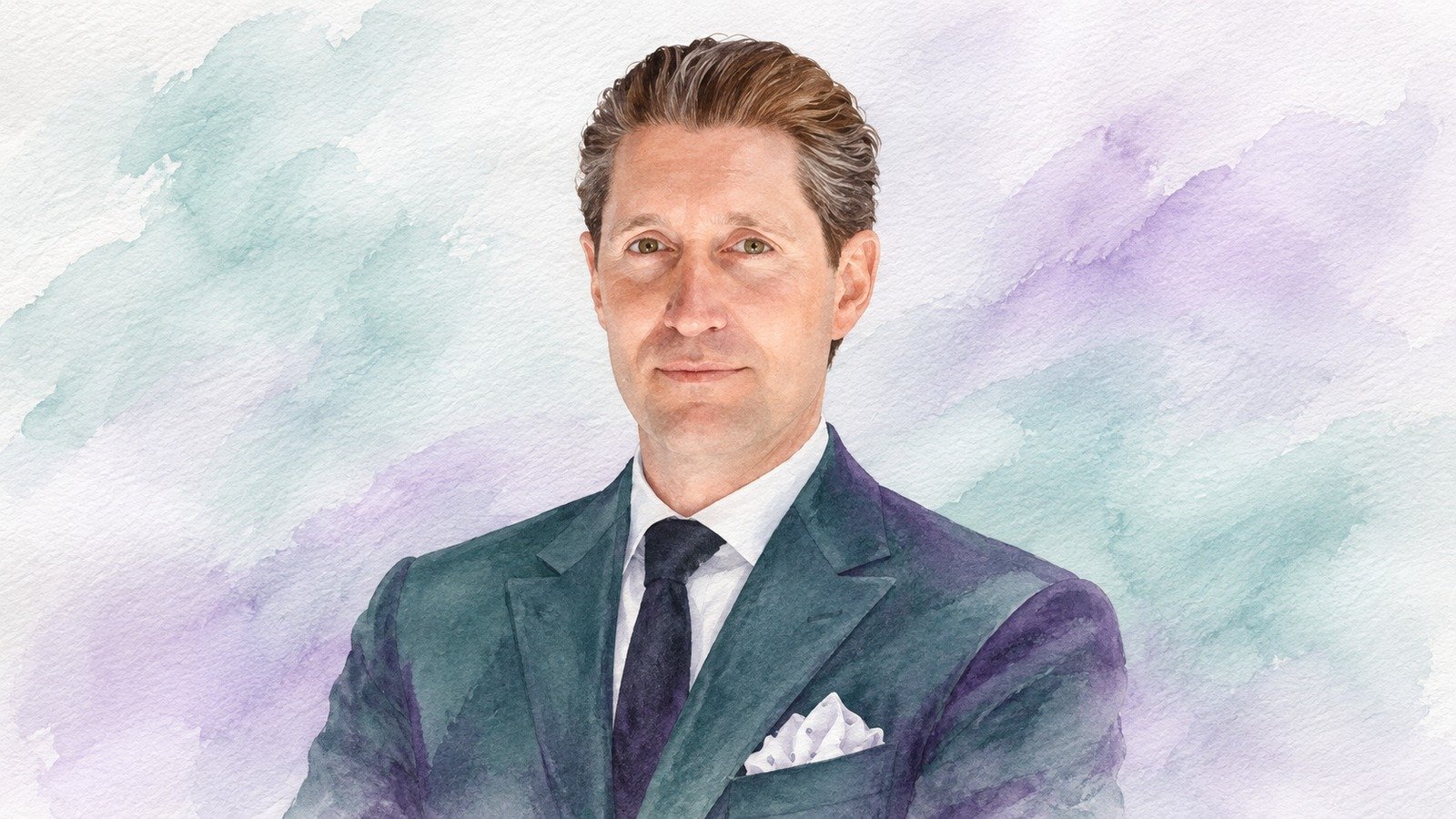
The Chancery Rosewood began welcoming guests in September 2025, after the conversion of the former United States embassy on Grosvenor Square. Boris Messmer takes over as managing director on 1 February 2027, succeeding Michael Bonsor, as WINC Wire reported. The appointment is already on record. What makes the transition worth revisiting is the difference between opening a landmark and running it as a mature business.
What The Chancery Rosewood inherited
The protected building was designed by Eero Saarinen. Its Historic England listing identifies the Portland stone façade, the expressed structural grid and the ground-floor public rooms among the features of interest. David Chipperfield Architects led the restoration and adaptation, while Rosewood identifies Joseph Dirand as the designer of the suites and several of the public spaces. The result is an all-suite hotel with eight restaurants and bars. It is a different operating programme from a diplomatic building, even if an arriving guest can still read much of the old exterior.
Buildings like this can attract visitors in their own right. What they cannot do is choose how people should move between a restaurant, the lobby and a private event when everything is busy at once. An opening team will have modelled those flows and rehearsed them. A successor has something valuable that the opening team did not: records of how actual guests, colleagues and suppliers have used the space over more than a year.
Why the first handover matters
Much of the information a new leader needs will not be in the opening publicity or a conventional management report. It sits in engineering logs, the order in which different teams prepare a room, supplier call-outs and the experience of people working early or late shifts. It may also be held by the same colleague who has learned which workaround is viable on a busy Saturday. For operators, a handover is the time to turn that knowledge into a reliable record rather than relying on individual memory.
A practical approach starts with separating design constraints from fixable operating problems. If two groups of people routinely arrive at the same entrance at the same time, does the hotel need better scheduling, clearer instructions or different staffing at that entrance? If a historically important finish requires specialist care, does the maintenance plan identify responsibilities, materials and suppliers? These are examples of questions a management team might ask, not claims about problems at The Chancery Rosewood.
Turning destination interest into repeat visits
The hotel’s bars and restaurants also give the new leadership a way to distinguish the attraction of the landmark from the performance of the business. An overnight guest and a London resident may use the same building for very different reasons. A local customer is more likely to judge a restaurant on whether booking, arrival and service were good enough to return next month than on the novelty of being inside the old embassy. Repeat visits are not the only measure of demand, but they ask more of the operation than an opening-month booking.
That puts staff scheduling, reservations and the transfer of guest preferences alongside architectural stewardship. Management that focuses only on suite occupancy may miss what is working for regular restaurant customers. Management that treats the outlets as entirely separate may miss the opportunities created when both groups share the same address. Which relationships need a property-wide response, and which are best owned by the individual outlet?
Messmer’s experience includes leading the opening of The Maybourne Riviera and working in London’s luxury hotels. The relevance to this handover is not that one property can be copied onto another. A new team can spend less time translating the opening brief and more time checking where it matches everyday realities. As our Spotlight on the luxury hotel brand promise explores, those realities are what guests ultimately experience. A successful second chapter preserves what the conversion made possible while improving what the first year taught the team.
Portrait: AI-generated watercolour by WINC Wire, based on a published press portrait of Boris Messmer.