Brady Group will open Brady Hotel Elizabeth Street in Melbourne’s Central Business District in August, adding a 211-room property to its growing independent accommodation portfolio and strengthening its position in one of Australia’s most competitive urban hotel markets.
The new hotel is located at 278 Little Lonsdale Street, close to the corner of Elizabeth and Little Lonsdale streets. Its position places guests within walking distance of Melbourne Central train station, the new State Library Station, Queen Victoria Market, Old Melbourne Gaol and Chinatown, giving the property a strong location for both domestic and international travellers seeking a central city base.
Brady Hotel Elizabeth Street will become the sixth addition to the Brady Hotels and Apartments portfolio and will take the group’s accommodation inventory to more than 1,000 rooms. The opening is a notable milestone for the privately owned Melbourne group, which has built its hospitality business around CBD locations, independent positioning and local guest service.
The property is described by Brady Hotels as a new build in the heart of Melbourne, offering 211 modern rooms in a 32-storey tower. The hotel will feature red brick detailing, contemporary interiors, opening windows, walk-in showers, a Level 8 communal space and a ground-floor restaurant activating Zevenboom Lane.
For Melbourne’s hotel market, the opening is significant because it adds new independent supply in a CBD already served by major international hotel groups, serviced apartment operators and lifestyle brands. Brady Group’s advantage sits in its local ownership and its concentration within Melbourne itself. Rather than operating as a multi-city chain, the company has built depth in one urban market.
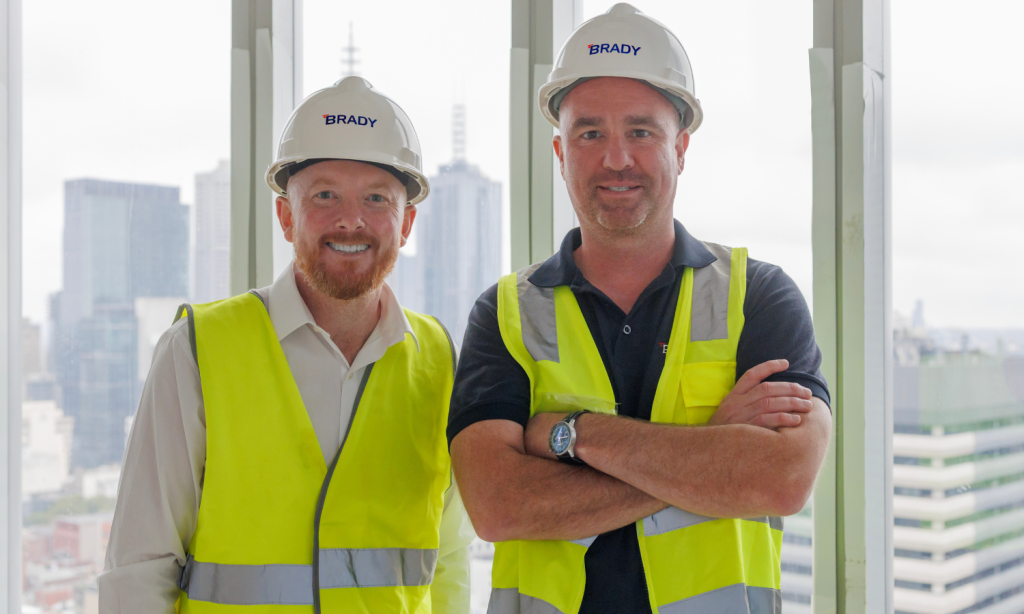
Image by www.hotelmanagement.com.au
That approach gives the group a different kind of positioning. Brady Hotels and Apartments describes itself as Melbourne-owned and operated, with a boutique collection of hotels and apartments across five CBD locations. The group says it focuses on genuine, unscripted and authentic experiences, hiring for personality and local knowledge so teams can guide guests through the city.
Brady Group’s broader story also explains why the hotel opening matters. The family-owned business has roots in the property sector dating back to the mid-1970s and began its first inner-city Melbourne apartment development in 1996 as both developer and builder. The group says it has more than 30 years of CBD development experience and has initiated and completed more than 20 large-scale residential projects.
That development background gives Brady a useful base for hotel growth. Unlike hotel companies that rely mainly on management contracts or brand conversions, Brady comes from a builder-developer platform. Its hotel strategy therefore sits at the intersection of real estate, design, operations and local market familiarity.
Robert Moore, General Manager of Brady Group, said Brady Hotel Elizabeth Street represents a major step forward for the group, not only in scale but in the way it delivers the guest experience in Melbourne CBD. He described the property as well-located, design-led and highly functional, with the Level 8 skyline lobby intended to create a sense of arrival above the city.
That design-led but functional positioning is important. Urban travellers increasingly want central locations, reliable amenities, strong transport access, useful communal spaces and a sense of local connection without necessarily moving into the full-service luxury category. A 211-room hotel in a central tower allows Brady to compete for city-break, events, business, education, retail and cultural travel demand.
The hotel’s location should also support multiple demand streams. Melbourne Central, State Library Station and the surrounding retail and cultural precincts give the property transport and leisure visibility. Proximity to Queen Victoria Market, Chinatown and Old Melbourne Gaol supports visitor itineraries, while the CBD address keeps it relevant for corporate and short-stay business travel.
For Brady Hotels and Apartments, Elizabeth Street also strengthens portfolio logic. The company’s existing properties include Central Melbourne, Jones Lane, Hardware Lane and Flinders Street, all positioned around CBD access, local neighbourhoods and traveller convenience. The new opening adds further scale while keeping the group concentrated in familiar territory.
The independent angle is worth watching. In many city markets, hotel growth is dominated by global brands with loyalty platforms, distribution strength and standardised operating systems. Independent groups such as Brady need to compete differently. They must use location, local knowledge, direct booking benefits, design and service personality to build guest preference.
Brady’s own direct booking strategy reflects that challenge. The group promotes member benefits, local experience discounts, priority upgrades and direct booking offers, suggesting that it is trying to build repeat behaviour without the scale of a global loyalty programme.
The timing also fits Melbourne’s continued role as an events and culture city. A centrally located hotel close to transport, retail, dining, laneways and attractions is well placed to capture demand linked to theatre, business trips, sport, concerts, conferences and weekend leisure. For a city where hotel demand is shaped by a wide calendar of experiences, location remains one of the strongest commercial advantages.
Brady Hotel Elizabeth Street is therefore more than another CBD opening. It is a statement about how a privately owned, Melbourne-based operator can continue to grow in a market crowded with larger brands. The group is not trying to win by being global. It is trying to win by being deeply local.
If the property delivers on that promise, the opening will give Brady Group a larger platform in Melbourne while reinforcing the independent, city-specific hospitality model it has been building since its first hotel opened in 2014. For the wider hotel sector, it is another reminder that local ownership and concentrated market expertise can still matter, even in a brand-heavy urban hotel environment.