


Hyatt Hotels Corporation has finalised the $2 billion sale of its Playa Hotels & Resorts real estate portfolio to Tortuga Resorts, completing a strategic manoeuvre that transforms a $2.6 billion acquisition into a fee-based management platform within six months.
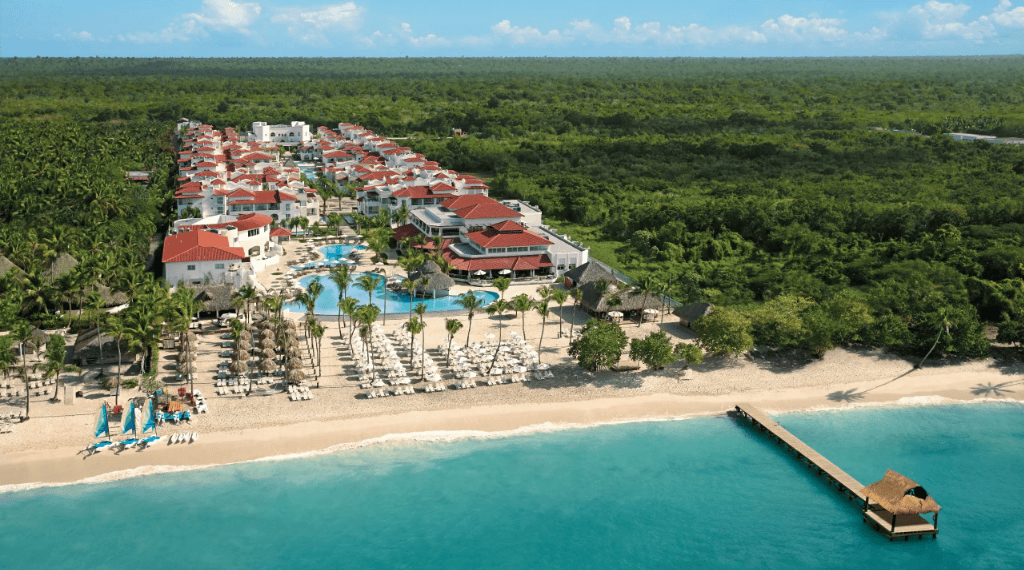
The transaction, which closed on 30 December 2025, transfers 14 all-inclusive resorts across Mexico, the Dominican Republic and Jamaica to the KSL Capital Partners and Rodina-backed investment vehicle. Hyatt will continue operating 13 properties under 50-year management agreements, securing long-term fee revenue while shedding the capital requirements of property ownership.
The deal structure offers Hyatt additional upside: up to $143 million in earnout payments contingent on operational performance thresholds, plus $200 million in preferred equity retained in Tortuga.
From acquisition to disposal in weeks
The rapid asset flip reflects careful pre-planning rather than opportunistic timing. Hyatt announced the Playa sale agreement on 30 June 2025 – just 13 days after completing its acquisition of the resort operator.
The original $2.6 billion Playa purchase brought 15 all-inclusive properties under Hyatt’s ownership, along with approximately $900 million in debt. Hyatt had signalled its intention to divest the real estate from the outset, targeting $2 billion in asset sales by 2027.
Achieving that target within months demonstrates both the appetite among institutional investors for Caribbean and Mexican resort assets and Hyatt’s execution capability.
One property was sold separately in September 2025 for $22 million, bringing total real estate proceeds to approximately $2 billion across both transactions. After accounting for debt repayment and transaction costs, Hyatt’s net purchase price for Playa’s asset-light management business comes to approximately $555 million.
The asset-light imperative
Hyatt’s aggressive portfolio transformation reflects a broader industry conviction: hotel companies generate more stable returns and command higher valuations when they manage properties rather than own them.
The company has committed to achieving 90% fee-based earnings by 2027, up from approximately 80% currently. CEO Mark Hoplamazian has stated there is “zero chance” Hyatt will miss this target.
Fee-based revenue from management and franchise agreements provides higher margins, requires less capital, and offers more predictable cash flows than property ownership. For Hyatt, this model also provides insulation from localised disruptions – a benefit tested immediately by Hurricane Melissa.
The company expects the Playa management business to generate $60–65 million in stabilised EBITDA by 2027. At that rate, the $555 million net purchase price implies a multiple of 8.5x–9.5x EBITDA – attractive economics for an asset-light platform.
Tortuga emerges as Caribbean platform player
For Tortuga Resorts, the acquisition establishes a significant regional presence virtually overnight. The platform, formed by private equity firm KSL Capital Partners and Mexican family office Rodina, now controls approximately 22 premium beachfront resorts across the Caribbean and Latin America.
Leo Schlesinger, appointed CEO in December 2025, brings three decades of hospitality experience, including leadership of Norte 19, one of Latin America’s largest publicly traded hotel owners with 154 properties.
KSL Capital Partners, which manages approximately $25 billion in assets, has deep expertise in leisure hospitality investments. The firm previously owned Apple Leisure Group before selling to Hyatt in 2021, giving it direct familiarity with the all-inclusive sector and the Playa portfolio specifically.
Hurricane Melissa complicates the picture
The transaction closes against a challenging operational backdrop. Hurricane Melissa, which struck Jamaica as a Category 5 storm on 28 October 2025, caused extensive damage to seven Hyatt-managed properties in the Montego Bay region.
The affected resorts – including Hyatt Ziva Rose Hall, Hyatt Zilara Rose Hall, and several Secrets and Dreams branded properties – will remain closed until November 2026. Hyatt has reduced its 2025 adjusted EBITDA outlook for Playa by $10 million at the mid-point due to hurricane-related impacts.
All guests and staff were safely evacuated, though many employees experienced significant property damage. Hyatt has provided financial assistance through the Hyatt Care Fund, colleague donations and direct company support.
The closures represent a near-term headwind but do not alter the fundamental transaction economics. Under the 50-year management agreements, Tortuga assumes the capital burden of storm repairs while Hyatt retains its fee relationship once properties reopen.
Strategic implications for hospitality leaders
The Hyatt-Tortuga transaction illustrates several trends shaping hospitality investment. First, institutional capital continues flowing toward premium leisure assets, particularly in markets serving affluent North American travellers.
Second, the asset-light model has become orthodoxy among major hotel companies. Marriott, Hilton and Hyatt now compete primarily on brand strength, loyalty programme scale and management capability rather than real estate ownership.
Third, long-term management agreements have become valuable assets in their own right. Hyatt’s 50-year contracts provide fee visibility extending decades beyond typical investment horizons.
For HR leaders in hospitality, the transaction raises questions about workforce continuity amid ownership transitions. While Hyatt retains operational control of the managed properties, Tortuga’s investment priorities will influence capital allocation decisions affecting working conditions and guest experience.
The hurricane response also highlights the importance of employee support infrastructure. Hyatt’s rapid deployment of financial assistance demonstrates how companies can protect workforce relationships during crises.
Looking ahead
Hyatt emerges from 2025 with a significantly reshaped portfolio. The Playa acquisition and subsequent sale, combined with the 2024 purchases of Standard International and Bahia Principe, have expanded its all-inclusive and lifestyle offerings while reducing real estate exposure.
The company’s 2027 target of 90% fee-based earnings now appears within reach. Hoplamazian has indicated this represents a “glide path” rather than an endpoint, suggesting further asset sales ahead.
For Tortuga, the challenge lies in optimising its newly acquired portfolio while managing hurricane recovery costs. The platform’s institutional backing and experienced leadership team suggest adequate resources, but Caribbean resort ownership carries inherent climate risk.
The transaction validates the all-inclusive sector’s appeal to sophisticated investors. As North American leisure travel demand remains robust, expect continued institutional interest in premium Caribbean and Mexican resort assets.


