


Hilton enters the furnished apartment market with its 26th brand, Apartment Collection by Hilton, partnering with Washington D.C.-based operator Placemakr to launch bookable properties in New York City, Washington D.C. and Atlanta by mid-2026.
The move positions the world’s largest hotel company by market capitalisation squarely within one of hospitality’s fastest-growing segments – and arrives at a moment of significant upheaval among its competitors.
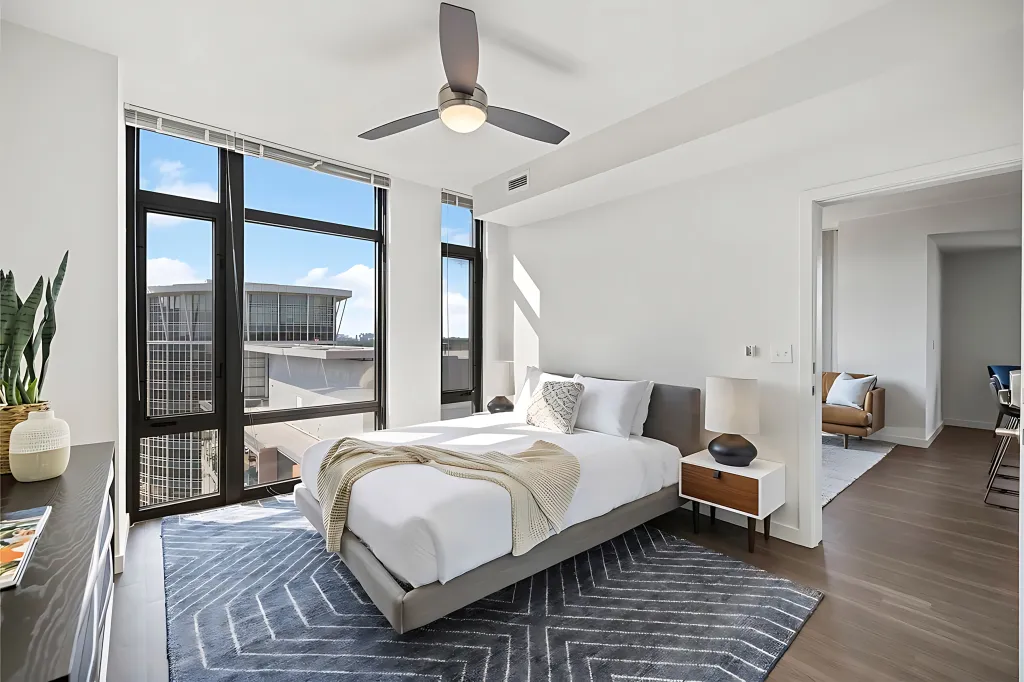
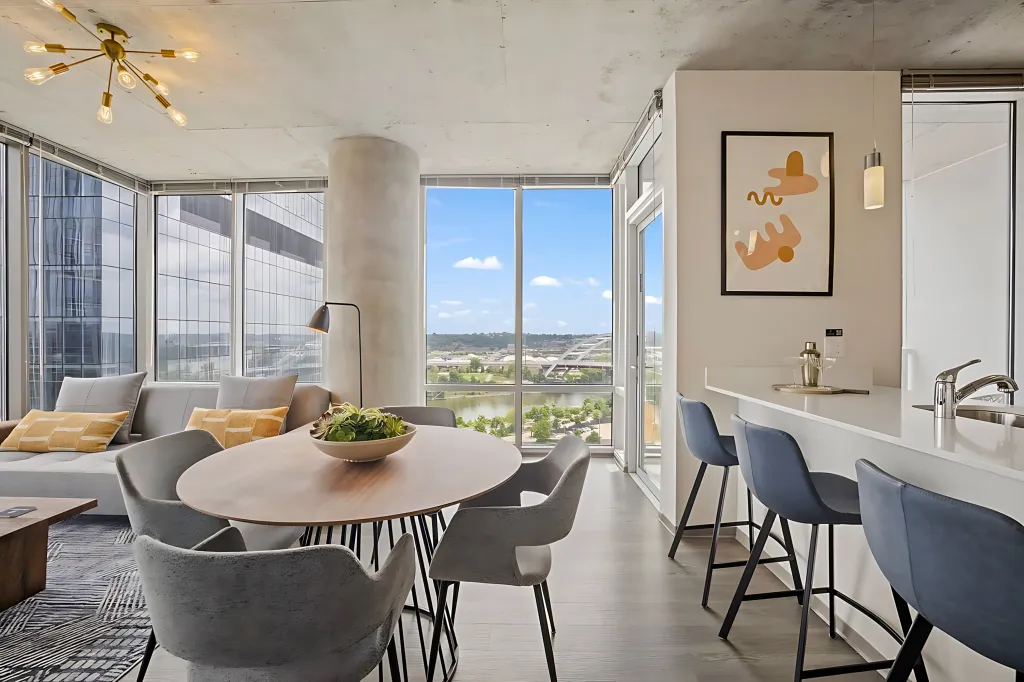
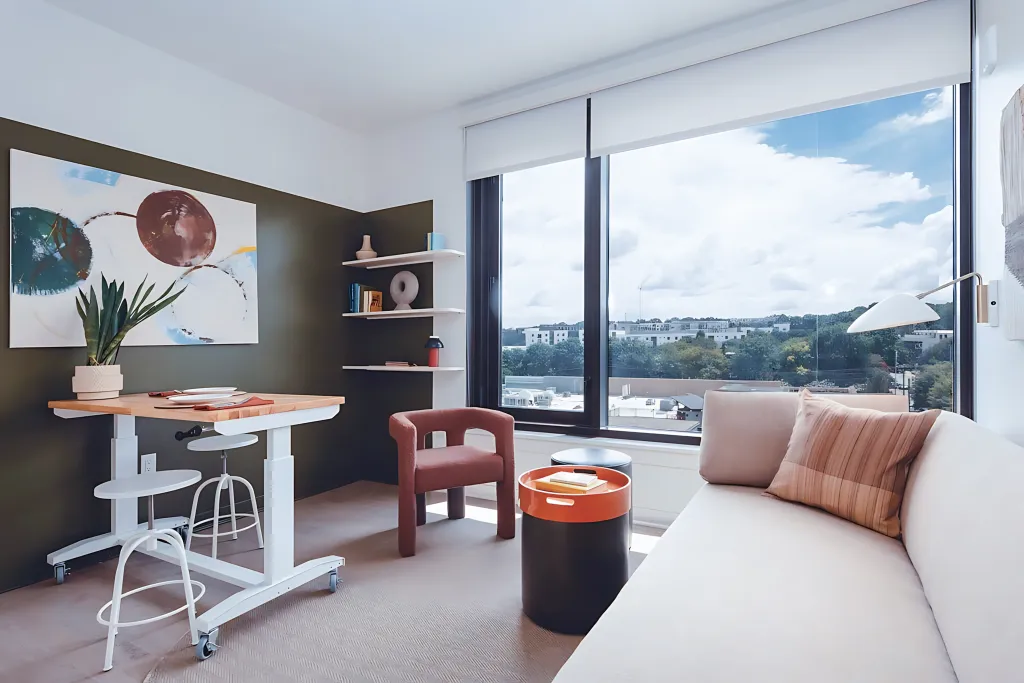
Apartment Collection by Hilton will offer studio to four-bedroom furnished apartments featuring full kitchens, separate living areas and on-site laundry, with 24-hour staffing at every property. Select locations will include fitness centres, rooftop pools, communal workspaces and on-site dining.
The partnership with Placemakr – a tech-enabled hospitality platform founded in 2017 – will initially add up to 3,000 units to Hilton’s existing global inventory of approximately 10,000 apartment-style accommodations. All properties will be fully integrated into Hilton’s booking systems and the Hilton Honors loyalty programme, which now counts more than 235 million members.
“Apartment Collection by Hilton represents the next chapter in Hilton’s growth story and the ways we are evolving to meet growing guest demand for this dynamic segment of hospitality,” said Chris Nassetta, president and CEO of Hilton.
Chris Silcock, president of global brands and commercial services at Hilton, described the partnership as the result of an extensive search. He noted that Placemakr had demonstrated “a strong commitment to guests through high product standards and exceptional service” over nearly a decade of operations.
Strategic timing in a turbulent segment
Hilton’s entry into furnished apartments comes against a backdrop of considerable disruption in the apartment-hotel sector. Marriott International’s strategic licensing agreement with Sonder – once valued at more than 9,000 rooms – collapsed in November 2025 when the beleaguered operator declared bankruptcy.
Meanwhile, Kasa completed its acquisition of Mint House in January 2026, creating what it described as the largest US operator of apartment-style and traditional hotels with more than 85 properties. Wyndham Hotels & Resorts has also entered the space through a development partnership with residential hospitality operator Reside.
The timing suggests Hilton has observed the segment’s potential while carefully studying the operational pitfalls that undermined earlier entrants. Notably, Hilton confirmed it is not taking a financial stake in Placemakr, maintaining an asset-light approach. PJT Partners and Goldman Sachs served as strategic financial advisers to Hilton and Placemakr, respectively.
A deliberate growth engine
Apartment Collection is Hilton’s 26th brand and arrives just three months after the October 2025 launch of Outset Collection by Hilton, a conversion-focused brand for independent hotels that already has more than 60 properties in development.
The rapid brand expansion reflects Hilton’s record growth trajectory. The company added nearly 800 hotels and 100,000 rooms to its global portfolio in 2025, achieving 6.7 per cent net unit growth. Hilton now has more than 3,700 hotels under development, totalling over 520,000 rooms, and projects 6–7 per cent net unit growth in 2026.
Placemakr operates using an asset-light management model, partnering with multi-family building owners to convert entire buildings or subsets of units into furnished short-term rentals. Co-founded by Jason Fudin and Bao Vuong – both former real estate development executives – the company has raised approximately $314 million in funding and expanded across urban and suburban US markets.
“We’ve pioneered the furnished apartments asset class property by property, stay by stay, and to continue that work alongside the world’s most valuable hotel brand is so exciting,” said Vuong.
Workforce and operational implications
For hospitality leaders, the launch signals an accelerating convergence between traditional hotel operations and residential property management. The model requires distinct operational competencies – from longer-stay guest service protocols to multi-family property management expertise – that differ significantly from conventional hotel staffing.
Hilton has indicated it expects to grow its apartment-style inventory through both the Placemakr partnership and additional franchise agreements with owners in the multi-family segment. How quickly it can scale while maintaining consistent brand standards across what is essentially a hybrid asset class will be the critical test.
The extended stay hotel market is projected to expand at a compound annual growth rate of 9.35 per cent through 2030, according to industry research. With Marriott recalibrating after the Sonder setback and smaller operators consolidating, Hilton’s entry could reshape the competitive dynamics of the furnished apartment sector considerably.


