

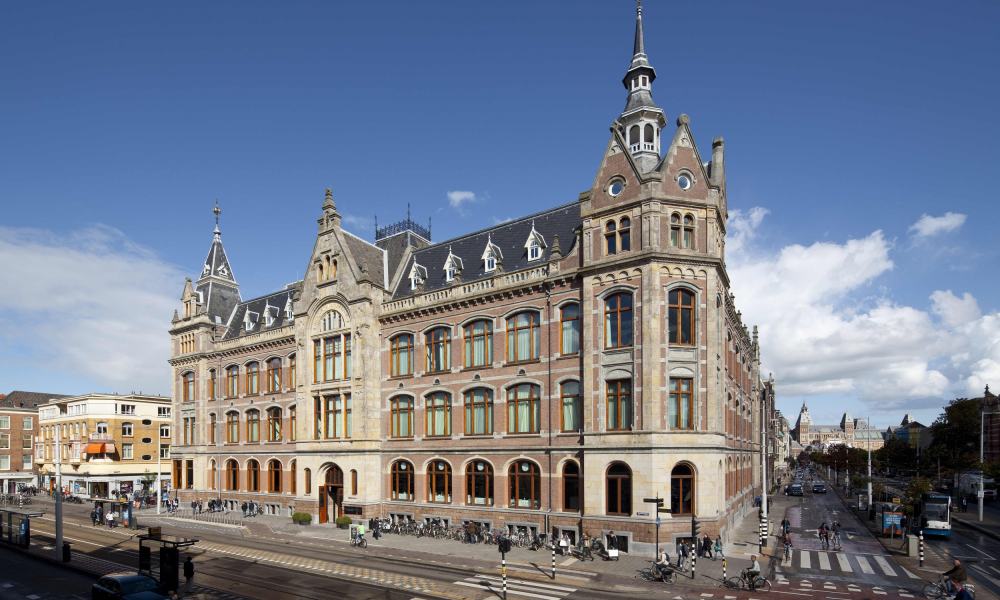

One of Amsterdam’s most recognised luxury addresses has entered a new era. The Conservatorium Hotel officially became Mandarin Oriental Conservatorium, Amsterdam in January 2026, marking the Hong Kong-based group’s first property in the Netherlands and adding a culturally significant landmark to its growing European footprint.
The rebrand, formalised at a ribbon-cutting ceremony attended by Mandarin Oriental Chief Operating Officer Amanda Hyndman, is more than a change of name. It signals the group’s continued push to expand through management agreements with heritage properties in high-value European markets – a strategy that is reshaping how ultra-luxury brands scale without taking on asset ownership risk.
A building with layers of history
The Conservatorium’s appeal lies as much in its provenance as its location. Designed by architect Piero Lissoni and originally functioning as a bank before serving as a music conservatory, the property was transformed into a 129-room luxury hotel in 2011. Positioned in Amsterdam’s Museum Quarter, it has been recognised since opening as a leading destination for luxury, design and hospitality, and as a meeting place for international visitors and the local community.
Its neighbours include the Rijksmuseum, the Van Gogh Museum, the Stedelijk Museum and The Concertgebouw – a cultural cluster that makes the hotel a natural anchor for high-spending leisure and cultural travellers. That audience aligns precisely with Mandarin Oriental’s global guest profile.
Retaining character, elevating service
The group has been deliberate about preserving what made the Conservatorium distinctive. Under Mandarin Oriental’s management, the hotel retains its local character and historic identity, while incorporating the group’s signature service standards and Asian-heritage influences.
The changes being introduced are considered rather than sweeping. The lounge will be refreshed with a new design and a stronger focus on afternoon tea, while continuing its role as ‘The Living Room of Amsterdam’. Guest rooms and suites will be upgraded in phases, starting with the Deluxe Rooms.
The 1,000-square-metre Akasha Spa – the largest hotel spa in Amsterdam – continues welcoming guests and members. The decision to maintain the spa’s positioning reflects a broader industry understanding that wellness infrastructure is increasingly central to luxury hotel performance and to competitive differentiation in saturated urban markets.
General Manager Susanne Hatje framed the transition in terms of cultural continuity rather than corporate transformation. “The Conservatorium has always stood for craftsmanship and culture, with a deep connection to the local community,” she said. “Joining Mandarin Oriental allows us to elevate these qualities further through our legendary service and a truly personalised guest experience.”
A culinary moment: Ottolenghi comes to Amsterdam
The highest-profile element of the rebrand’s culinary programme is the opening of Ottolenghi Amsterdam. The restaurant officially welcomed its first guests on 19 March 2026, with chef, restaurateur and author Yotam Ottolenghi returning to the city some 30 years after he lived and studied there.
The vegetable-forward menu centres on the grill and fermentation, celebrating local Dutch produce with an Ottolenghi twist. It is served across breakfast, lunch and dinner in the hotel’s iconic glass atrium – a venue that functions as a destination in its own right rather than an ancillary hotel amenity.
Ottolenghi Amsterdam is the chef’s twelfth venue worldwide and his second in mainland Europe, following the opening of his restaurant at Mandarin Oriental, Geneva in early 2025. The partnership between the group and Ottolenghi is therefore a continuing one – a signal that both parties see strategic value in the arrangement across multiple markets.
Taiko, the hotel’s Asian-inspired fine dining restaurant, continues under new Head Chef Lars Drost, building on its established reputation through modern interpretations of Far Eastern flavours. Together, the two restaurants position the property as a serious culinary destination – not merely a hotel with food.
Part of a broader strategic pattern
The Amsterdam opening is not an isolated move. Mandarin Oriental has stated goals to double its portfolio predominantly via management deals – a model that allows the group to expand its brand footprint without the capital exposure of direct ownership. The Conservatorium agreement was announced alongside a management deal for Hôtel Lutetia in Paris, another heritage property with strong cultural resonance.
Group Chief Executive Laurent Kleitman has described these agreements as core to the strategy of expanding and strengthening the brand’s presence in world destinations that appeal to its guests. The European pipeline also includes a new property in Rome and continued development in Mallorca, reflecting the group’s emphasis on western European markets with strong leisure demand.
What this means for Amsterdam
For the Netherlands’ hotel market, the Conservatorium’s rebrand introduces a new global luxury operator to a city that has long attracted high volumes of international visitors but had limited representation from the ultra-luxury segment. Mandarin Oriental’s entry raises the ceiling and signals confidence in Amsterdam’s continued appeal for premium travel spend.
The immediate period ahead will test whether the group can maintain the hotel’s reputation as a community anchor while integrating its service standards and loyalty infrastructure. With the Ottolenghi restaurant now open and phased room upgrades under way, the early evidence of how that balance is being struck will emerge quickly.


