Fairmont Hotels & Resorts has announced a second Calgary property, partnering with local developer Truman to build a 225-key luxury hotel in the city’s Greater Downtown. Fairmont Calgary is slated to open in the fourth quarter of 2031.
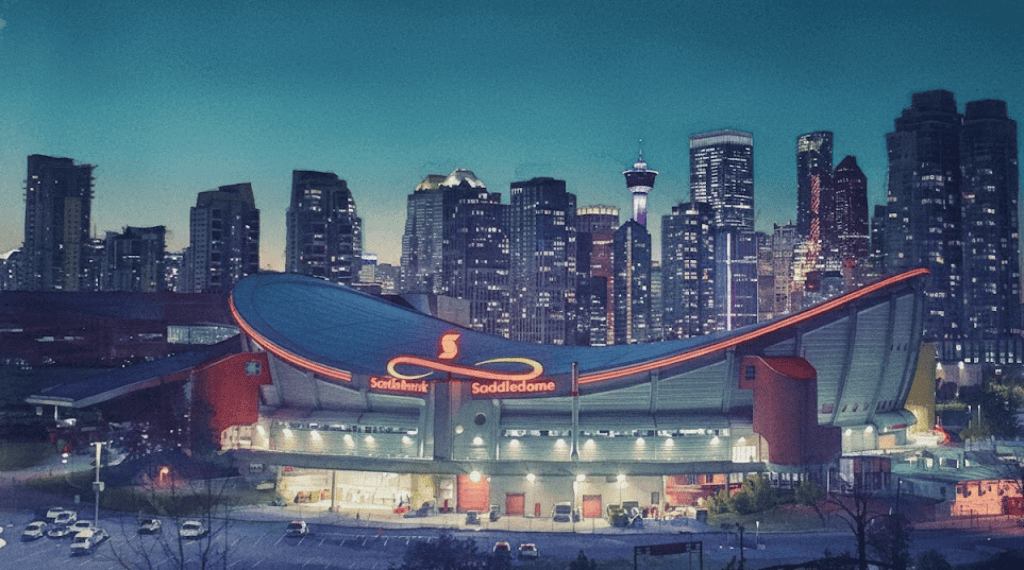
The mixed-use development will combine guest rooms with a signature spa, meetings and events programme, and 100 luxury branded residences. Its location within Calgary’s Culture and Entertainment District places it at the centre of a major urban transformation already attracting billions in private investment.
The announcement positions Fairmont alongside its historic Fairmont Palliser – a 407-room landmark that has anchored Calgary’s hospitality scene since 1914 – giving the Accor-owned brand a dual presence in what has become one of Western Canada’s fastest-growing convention and tourism markets.
“Adding a second property in this flourishing city where the beloved Fairmont Palliser currently resides will be a significant achievement,” said Omer Acar, CEO of Fairmont Hotels & Resorts. “Fairmont Calgary will become an exciting new social hub for the local community, hotel guests and residents alike, blending both tradition and modernity.”
The project is a direct beneficiary of the Stampede Park transformation, centred on the government-funded $500 million expansion of Calgary’s BMO Centre. Completed in June 2024, the expansion doubled the facility’s rentable floor space to more than one million square feet, establishing it as Western Canada’s largest convention centre and a Tier 1 international venue capable of hosting more than 30,000 delegates.
The BMO Centre’s impact has been immediate. In its first full year of expanded operations, the facility hosted 327 events including 47 first-time conferences. More than 200 major events are booked through to 2032, and the facility is projected to contribute upwards of $100 million annually to Calgary’s economy, according to economic impact assessments cited by the Calgary Municipal Land Corporation.
That convention infrastructure has catalysed a wave of hotel development in the surrounding district. Truman, the family-owned Alberta developer behind Fairmont Calgary, is simultaneously delivering three Marriott-branded hotels nearby – a 320-key Autograph Collection property on Stampede Park (which broke ground in January 2026), a W Calgary, and a JW Marriott Calgary. Together, those projects represent a combined $1.47 billion in private investment and are expected to deliver more than 700 new hotel rooms by 2030.
George Trutina, President of Truman, described the Fairmont partnership as an expression of long-term confidence in the city. “Fairmont Calgary will contribute meaningfully to the city’s economy, vibrancy, and its growing reputation as a global destination for business, tourism, and luxury living,” he said.
For Truman, which was founded more than 40 years ago by Trutina – a Croatian immigrant who built the company from a drywall business into one of Calgary’s most prolific development firms – the Fairmont project represents a significant step into luxury hospitality branding after decades focused on residential and mixed-use construction.
The timing aligns with a broader growth phase for Fairmont. The brand currently operates 96 hotels worldwide with 28 confirmed developments in its pipeline, marking its most significant expansion since Accor’s acquisition. Properties scheduled to open in 2026 include Fairmont Hanoi, Fairmont New Orleans, Fairmont Bangkok Sukhumvit and Fairmont Cheshire in the UK.
Calgary’s tourism fundamentals support the investment thesis. The Conference Board of Canada projected 8.7 million visitors for 2025, a 3.6 per cent increase over the prior year, with Tourism Calgary anticipating it would exceed that estimate. Visitor spending rose four per cent year-on-year through to September 2025, with international arrivals up 11.1 per cent, driven by new direct flights into Calgary International Airport.
The city’s destination management organisation has set an ambitious target of doubling annual visitor expenditure from approximately $3 billion to $6 billion by 2035. That objective is underpinned by a convention calendar that is accelerating: the first quarter of 2026 alone features 12 city-wide conventions, compared with nine in the same period the previous year.
The workforce implications are substantial. Tourism HR Canada projects a national shortfall of 60,000 tourism workers by 2035. In Calgary, an estimated 84,000 people are already employed across the tourism sector. Truman’s combined hotel developments are projected to support more than 9,100 construction jobs and generate upwards of 2,000 permanent positions once operational.
The design concept for Fairmont Calgary will be announced and the regulatory approvals process initiated during the first quarter of 2026. Whether the property can replicate the cultural significance of its 111-year-old sibling remains to be seen. What is clear is that Calgary’s convention-led development boom is reshaping the city’s hospitality landscape – and Fairmont is betting that two addresses are better than one.