Hospitality’s Burnout Problem: It’s Not a Badge of Honour, It’s a Resignation Letter
There is a phrase you hear often in hospitality: burnout is just part of the job. It gets said with a shrug, sometimes even a hint of pride. The implication…
 Sarah Shaw
8 min read
Sarah Shaw
8 min read
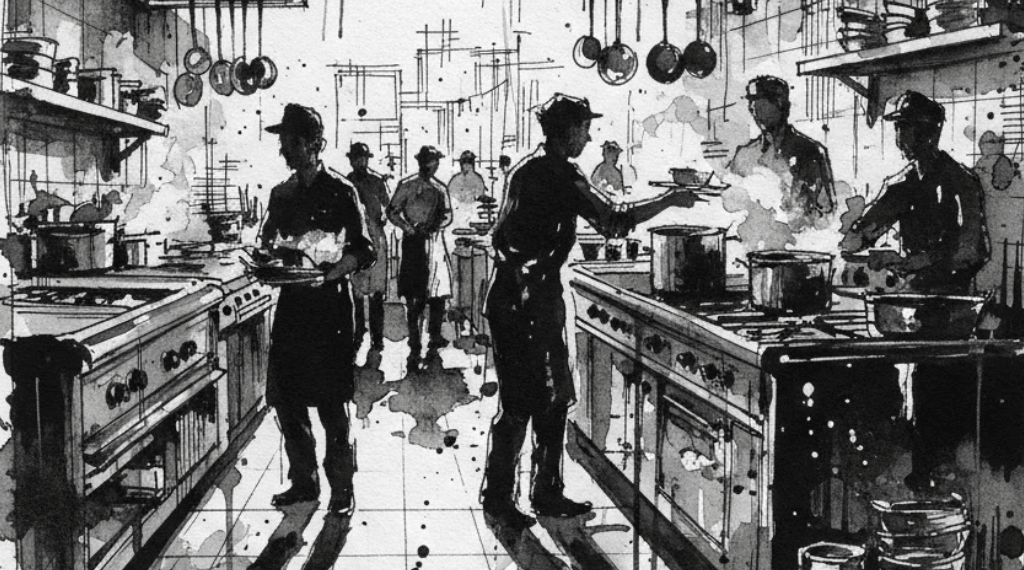
There is a phrase you hear often in hospitality: burnout is just part of the job. It gets said with a shrug, sometimes even a hint of pride. The implication is that exhaustion is evidence of commitment, that running on empty is simply what the industry demands.
According to Hospitality Action’s 2025 Taking the Temperature survey, 47% of hospitality workers now hold this belief. Among junior employees, the figure rises to 62%. When nearly two-thirds of your newest team members accept burnout as inevitable before they have even built a career, something has gone seriously wrong.
The numbers paint a stark picture. Three-quarters of survey respondents said they had struggled with their mental health at some point in their adult lives. Among those who reported poor work-life balance and viewed burnout as normal, 61% had experienced mental health difficulties in the past year alone. These are not isolated cases. They are patterns, and they are worsening.
The business consequences are equally clear. High employee churn now forces 45% of UK hospitality operators to reduce trading hours or capacity, according to industry estimates. Staff shortages cost the sector an estimated £21 billion in lost revenue annually. Burnout is not a sign that people care about their work. It is a warning that they are about to leave it.
Burnout is not a sign that people care about their work. It is a warning that they are about to leave it.
What makes this particularly frustrating is that the conversation around mental health in hospitality has genuinely improved. The same survey found that 78% of workers now feel more comfortable discussing mental health concerns than they did five years ago. Two-thirds said their workplace had created an environment where these conversations could happen openly. Managers are listening more. Stigma is declining. And yet conditions continue to deteriorate.
The gap between awareness and action is where people fall through. Recognising burnout is not the same as preventing it. Having a policy is not the same as having capacity. When understaffing is cited by 57% of workers as their primary workplace challenge, up 21% on the previous year, wellbeing initiatives can start to feel like sticking plasters on a structural wound.
This is where HR teams and operational leaders need to look harder at the systems underneath the sentiment. Burnout does not appear from nowhere. It builds through months of overstretched rotas, unclear expectations, cancelled rest days, and the quiet normalisation of doing more with less. Addressing it means examining workload distribution, absence patterns, and the early warning signs that someone is struggling before they hand in their notice.
Platforms like Factorial allow HR teams to centralise employee data and track absence trends across teams and sites, making it easier to spot where pressure is building. But technology only helps if someone is looking at what it reveals. The real shift required is cultural: treating wellbeing not as a programme but as an operational priority that sits alongside revenue and service quality.
The 2025 survey found that 55% of respondents wanted more management training to help leaders identify and respond to mental health concerns. This is not about turning managers into counsellors. It is about equipping them to notice when someone is consistently picking up extra shifts, when absences start clustering, when a reliable team member becomes withdrawn. These are the moments where early intervention can prevent a resignation.
There is also a harder truth the industry needs to confront. Burnout is not evenly distributed. It lands heaviest on the people with the least power to push back: junior staff, part-time workers, those on zero-hour contracts who worry that saying no will mean fewer shifts next week. If the response to understaffing is simply to squeeze more from the people who remain, the cycle continues.
Hospitality will always be demanding. The hours will remain unsociable. The pace will stay relentless. But demanding and destructive are not the same thing. The difference lies in whether businesses treat their people as a resource to be depleted or a foundation to be protected.
Burnout is not a badge of honour. It is a resignation letter that has not been written yet. The operators who recognise this, and act on it, will be the ones who still have teams worth keeping in five years’ time.