
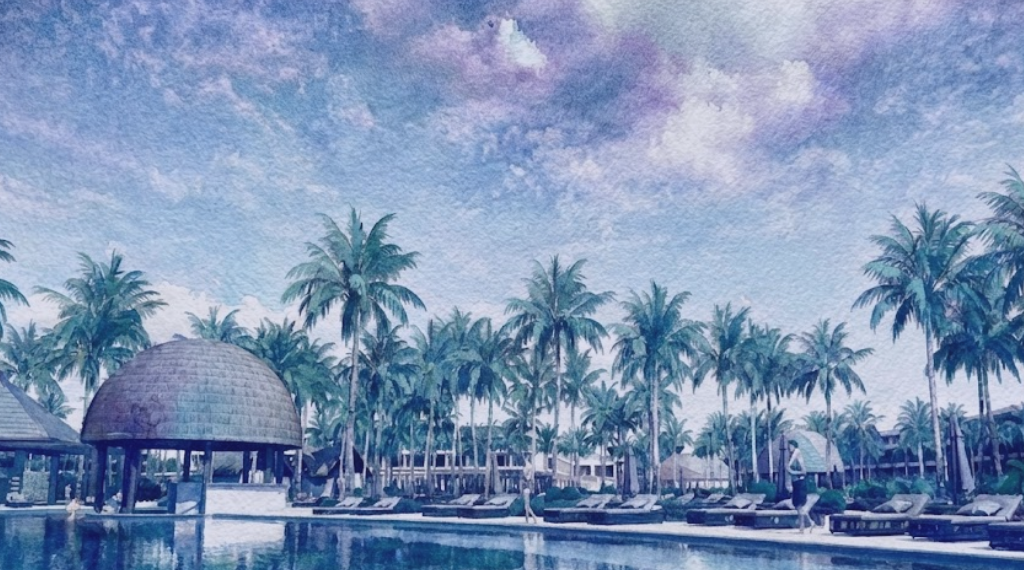
Meliá Hotels International has signed an agreement with Grupo Puntacana to develop Paradisus Miches, a 600-room luxury all-inclusive resort on the Dominican Republic’s northeastern coast. The partnership marks the Spanish hotel group’s first property in Miches, an emerging destination that government officials have positioned as the country’s next major tourism hub.
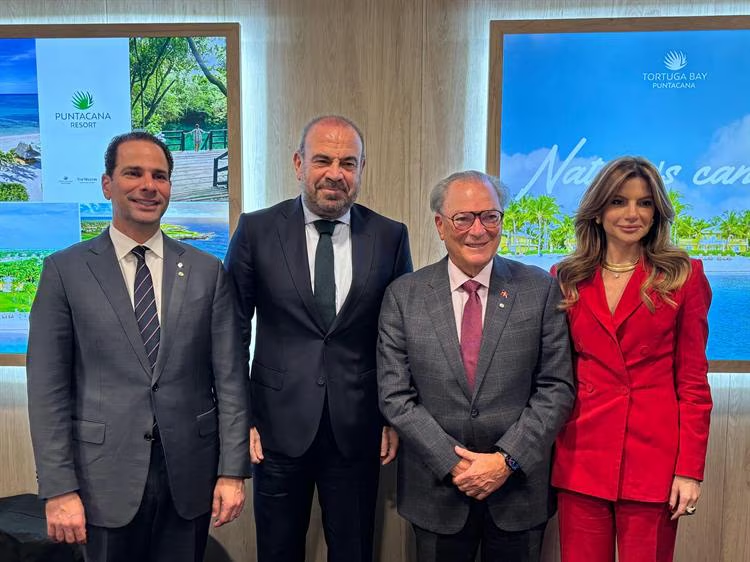
The resort will occupy more than 500 metres of undeveloped beachfront, making it Meliá’s eleventh hotel in the Dominican Republic across its operating and pipeline properties. The project extends a long-standing partnership between the Escarrer family, which founded Meliá in 1956, and the Rainieri family, whose Grupo Puntacana pioneered the development of Punta Cana beginning in 1969.
Paradisus Miches will offer room categories designed for both adult travellers and families, along with multiple dining venues, swimming pools, wellness facilities, a full-service spa, and dedicated meeting and event spaces. The property will operate under Meliá’s Paradisus by Meliá brand, which positions itself as a “Destination Inclusive” concept emphasising immersive local experiences and environmental integration.
Strategic Context: Miches as the New Punta Cana
The announcement reflects a broader government-backed strategy to diversify Dominican tourism beyond the established Punta Cana–Bávaro corridor. At the 2024 FITUR tourism fair in Madrid, the UN Tourism Secretary-General predicted that Miches would become “the next Punta Cana” within several years, with initial development phases expected to deliver 2,500 hotel rooms and attract more than 200,000 annual tourists.
The region is undergoing rapid transformation. Club Med Miches Playa Esmeralda opened five years ago as the destination’s first major international resort. Since then, a pipeline of luxury properties has emerged, including Hyatt’s Secrets and Dreams Playa Esmeralda resorts (with a combined 1,000 rooms), the Zemi Miches Curio Collection by Hilton, Viva Miches by Wyndham, and the Four Seasons Resort and Residences Miches scheduled for early 2026.
Tourism Minister David Collado has described Miches as holding “a special place” in the country’s development strategy, citing its potential to generate more than 116,000 jobs and contribute US$500 million annually to GDP. The region sits approximately 90 minutes by road from Punta Cana International Airport, which handles more than 800 weekly flights and serves as the country’s primary gateway.
The Rainieri Partnership Model
For Grupo Puntacana, the Paradisus Miches project extends a development approach that transformed an isolated jungle coastline into the Caribbean’s most visited destination. Frank Rainieri and American labour mediator Theodore Kheel acquired 58 million square metres of undeveloped land in 1969, opening the Punta Cana Club two years later with just 10 beach cottages.
Today, Grupo Puntacana operates the only private international airport to achieve commercial scale, manages multiple resort properties including Tortuga Bay (the Dominican Republic’s sole AAA Five Diamond hotel), and runs a foundation that has built schools, medical centres, and coral restoration programmes. The group generates approximately 6.8 per cent of the country’s tourism-sector GDP.
The partnership follows Meliá and Grupo Puntacana’s October 2025 groundbreaking on Meliá Bergantín Beach, a 400-room property in Puerto Plata backed by US$100 million in investment. That project forms part of Punta Bergantín, a government trust spanning more than 10 million square metres that aims to revive the country’s northern coastline through low-density, sustainability-focused development.
Gabriel Escarrer, Meliá’s Chairman and CEO, has described the Rainieri family as long-standing partners who share the company’s values of “people, sustainability, excellence, doing things right, and preserving our legacy for multiple generations.”
Dominican Republic’s Record Tourism Performance
The Paradisus Miches signing arrives as the Dominican Republic celebrates its strongest tourism performance on record. The country welcomed 11.6 million visitors in 2025, a 4.3 per cent increase over the previous year and 13.3 per cent above 2023 levels. December 2025 alone brought nearly 960,000 air arrivals—the highest single-month total in Dominican history.
The results extend beyond traditional resort hubs. Cruise tourism reached 2.8 million passengers in 2025, reinforcing the country’s position as a regional leader in maritime arrivals. Hotel room inventory has expanded to more than 92,000 rooms, with an additional 2,500 added throughout the year.
The United States remains the dominant source market at 39 per cent of arrivals, followed by Canada at 19 per cent. Colombia and Argentina each contribute 6 per cent, reflecting diversified demand across the Americas.
Implications for the Luxury All-Inclusive Segment
Paradisus by Meliá has been repositioning its portfolio around what it calls “Destination Inclusive” experiences—curated programming that goes beyond traditional all-inclusive offerings to include local excursions, cultural workshops, wellness retreats, and partnerships with regional artisans and suppliers.
The brand currently operates properties in Mexico (Cancún, Playa del Carmen, and Los Cabos), the Dominican Republic (Punta Cana), and Spain’s Canary Islands. Paradisus Bali is scheduled to open in December 2025, marking the brand’s first expansion into Asia.
For Miches, the Paradisus approach aligns with the destination’s positioning around ecotourism and sustainable development. The region’s natural attractions include Montaña Redonda, Salto La Jalda waterfall, and Laguna Limón—landscapes that support the experiential programming central to Meliá’s luxury all-inclusive model.
What Comes Next
No opening date has been announced for Paradisus Miches. The project joins a substantial development pipeline that will reshape the Dominican Republic’s eastern coastline over the coming years.
Meliá’s broader Caribbean expansion includes two INNSiDE by Meliá franchise hotels in Punta Cana scheduled for 2027 (its first franchise properties in the region) and the continued rollout of its ZEL brand, created in partnership with Rafael Nadal. The company operates more than 400 hotels globally across ten brands and recently invested more than €400 million alongside partners in repositioning 40 properties over two years.
For the Dominican Republic, the strategic question centres on whether destinations like Miches can absorb significant hotel inventory while maintaining the environmental and community development standards that attracted luxury operators in the first place. With billions in investment committed and arrivals breaking records, the country’s tourism authorities face the task of managing growth without replicating the density that characterises more established Caribbean resort corridors.