Book Review: The Devil Emails at Midnight by Mita Mallick
I picked up Mita Mallick's The Devil Emails at Midnight because the title alone felt like a personal attack. Anyone who has worked in a corporate environment long enough knows…
 SK
3 min read
SK
3 min read
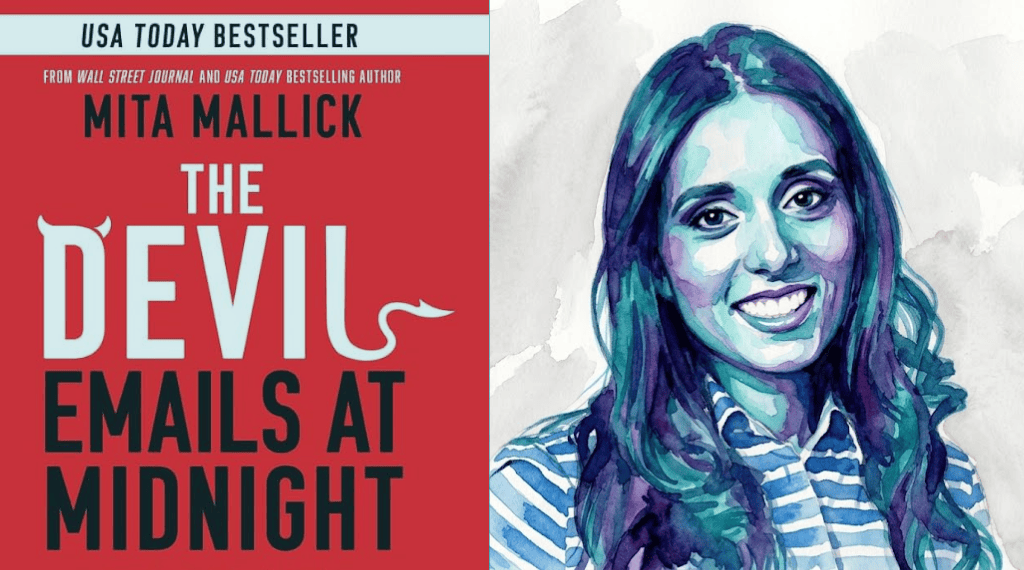
I picked up Mita Mallick’s The Devil Emails at Midnight because the title alone felt like a personal attack. Anyone who has worked in a corporate environment long enough knows the particular dread of that late-night notification, the ping that suggests tomorrow’s problems have already begun.
Mallick’s premise is deceptively simple: bad bosses aren’t born, they’re made. Over the course of the book, she introduces us to thirteen archetypes of toxic leadership, each drawn from her own career experiences. There’s the micromanager who redoes every piece of work. The disengaged boss who has mentally checked out but still occupies the corner office. The spotlight-seeker who absorbs credit while pushing contributors into the shadows. The leader who rules through fear, mistaking intimidation for results.
What elevates this beyond a catalogue of workplace grievances is Mallick’s willingness to turn the mirror on herself. She doesn’t position herself as the perpetual victim of bad management. Instead, she openly acknowledges the moments when she became the very boss she once resented. That honesty is rare in leadership literature, and it’s what makes the book genuinely useful rather than merely cathartic.
The storytelling is sharp and often darkly funny. Mallick has a gift for capturing the absurdity of corporate dysfunction without descending into cynicism. You’ll recognise people you’ve worked with, and, if you’re being honest, perhaps yourself in certain chapters. That discomfort is the point. She’s not writing for people who believe they have nothing to learn; she’s writing for those willing to examine their own blind spots.
For HR professionals, the book offers something valuable beyond personal reflection. It provides language and frameworks for conversations that are often difficult to have. How do you address a high-performing leader whose team is quietly falling apart? How do you distinguish between a demanding manager and a destructive one? Mallick doesn’t offer prescriptive solutions, but she gives readers the vocabulary to identify patterns before they calcify into culture.
The structure is straightforward, with each chapter focusing on a single archetype and blending personal narrative with practical observation. It’s a quick read, which works in its favour. This isn’t a dense leadership manual to be studied. It’s a book to be read in a weekend and returned to when you need a reminder of what not to become.
If there’s a limitation, it’s that the book is rooted primarily in American corporate culture. Some of the dynamics will feel familiar to readers in the UK, India, or the Middle East, but others may land differently depending on local workplace norms. That said, the core insights about ego, fear, disengagement, and the slow drift into bad habits are universal enough to translate.
I’d recommend this to anyone in a management role, whether new to leadership or decades into their career. It’s equally useful for HR leaders looking to understand the behavioural patterns that erode team performance and for individual contributors trying to make sense of a difficult boss. Mallick reminds us that leadership is a daily practice, not a title, and that the line between good and bad management is thinner than most of us would like to admit.
The devil does email at midnight. The uncomfortable truth? Most of us have been that devil at least once.
Where to buy:
- UK: Amazon UK
- US: Amazon US
- India: Amazon India
- Australia: Amazon Australia