Toxic Workplaces: The Silent Saboteurs of Culture and Performance
It’s about recognising the signs, getting to the root of the problem, and driving real cultural change from the inside out. We’ve all heard the old maxim: “People don’t leave…
 Steve Rogers
6 min read
Steve Rogers
6 min read
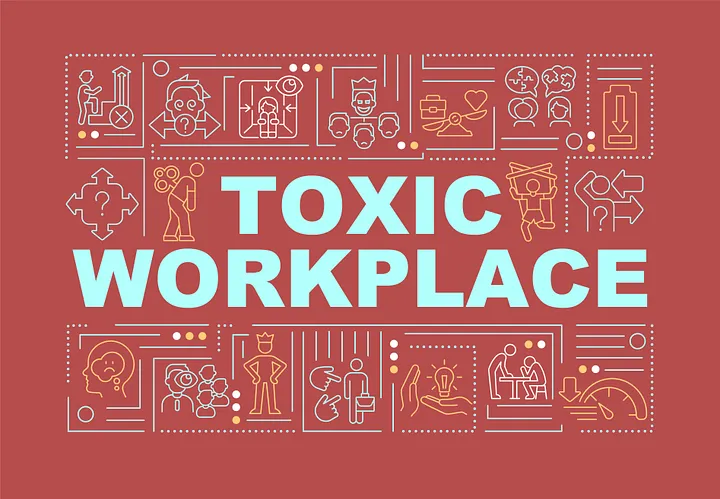
It’s about recognising the signs, getting to the root of the problem, and driving real cultural change from the inside out.
We’ve all heard the old maxim: “People don’t leave jobs; they leave cultures.” It’s a bit of a cliché, but it holds a stubborn truth that quietly hollows out otherwise great organisations. Think about this: in the UK, a staggering 70% of professionals report having endured a toxic workplace. This isn’t just about feeling unhappy; it’s a corrosive force that eats away at morale, stifles creativity, and fundamentally weakens your business from its core.
The real danger is how insidious it can be. Toxicity isn’t always about shouting matches or obvious discrimination. Far more often, it’s the quiet stuff that does the damage. It’s the constant micromanagement, the cliques that form in the corner, the passive-aggressive tone of an email, or the unspoken rules that make people afraid to speak up.
But let’s be absolutely clear: a toxic culture isn’t a foregone conclusion, and it’s certainly not irreversible. Whether you’re in the leadership team, working at the sharp end of HR, or just trying to navigate your day-to-day, learning to spot these behaviours is the essential first step toward rebuilding a resilient, trusting workplace.
How to Spot a Toxic Culture in the Wild
Toxicity rarely announces itself with a flashing neon sign. While you might see overt bullying or discrimination, it’s more likely to be a constant, low-level hum of dysfunction: communication that’s broken, a general air of distrust, or cliques that create division. Whatever the cause, the result is always the same: disengaged employees, burnt-out teams, and your best talent quietly walking out the door.
The Telltale Signs We Can’t Afford to Ignore
- The Undercurrent of Bullying: Think less about outright shouting and more about deliberate isolation, sarcastic comments in meetings, or the ‘silent treatment’ that excludes people.
- Pervasive Cliquishness: You see those inner circles, the ones that hoard information and influence, leaving everyone else on the outside looking in.
- Breakdowns in Communication: Information is a currency that’s either withheld or delivered in confusing, mixed messages. Feedback is non-existent, and management always seems to be on the back foot.
- A Revolving Door of Talent: Good people are leaving. They may not say why, but they’re voting with their feet in search of a workplace that feels psychologically safe.
- A Fixation on the Short Term: There’s a relentless pressure for immediate results, with very little thought given to the long-term health of the team or the business.
If any of this sounds familiar, staying silent is the worst thing you can do. A culture won’t fix itself. It needs deliberate, focused intervention from leaders who are prepared to act.
Leadership: Where Culture is Made or Broken
Across every sector I’ve worked in, from five-star hotels to high-pressure automotive plants, one truth is inescapable: leadership sets the tone. The energy and empathy a leader brings (or doesn’t bring) creates ripples that affect every single person on their team. When leaders are self-aware, inclusive and emotionally astute, they create an environment where people can do their best work. But the moment ego trumps empathy, you’ve opened the door to toxicity.
Behaviours of a Toxic Leader
- Obsessive Micromanagement: When a leader defaults to control, it’s a clear sign they don’t trust their people to do their jobs.
- An Allergy to Feedback: A leader who bristles at the slightest challenge is cultivating a culture of fear, not of growth.
- Playing the Short Game: They consistently sacrifice long-term team wellbeing for the sake of hitting this quarter’s targets.
- Emotional Contagion: A leader’s negativity is infectious. Their behaviour quickly becomes the unspoken template for the rest of the team.
And make no mistake, this damage isn’t neatly contained within one team; it bleeds across the entire organisation. At the end of the day, culture is what people see their leaders do, not what the values poster on the wall says.
Calculating the Real Cost of a Bad Culture
A breakdown in culture isn’t just a morale issue; it’s a direct hit to your bottom line. The true cost of a toxic environment is rarely listed on a balance sheet. It’s concealed in sluggish productivity, rising absenteeism, and a tarnished employer brand.
The Financial Drain You Don’t See
- The Price of Attrition: When an experienced person walks out, you’re losing far more than just a headcount. You’re losing institutional knowledge, continuity and vital business capability.
- Productivity’s Slow Decline: Disengaged employees don’t typically sabotage the business; they just quietly withdraw their discretionary effort. Their output slowly dwindles.
- The Toll on Health: The connection between chronic stress and ill health is well-documented. Burnout translates directly into more sick days and long-term absences.
- A Damaged Reputation: Word gets around fast. An organisation known for a toxic culture will find it almost impossible to attract the high-calibre talent it needs to thrive.
The brutal truth is that the longer you allow these issues to fester, the more deeply embedded they become and the harder they are to root out.
The True Source: It’s All About Relationships
It’s easy to point the finger at a few ‘bad apples’ when things go wrong, but in my experience, toxicity is rarely about isolated individuals. It almost always grows from something more fundamental: unresolved conflicts, simmering resentments, and a complete lack of any mechanism for repairing working relationships. Most people actually want to sort things out early, but when they try to raise a concern and are ignored or dismissed, that’s when the poison of mistrust begins to seep in.
All too often, managers avoid tackling these issues until they explode into something that requires a formal disciplinary. And while our HR processes have their place, they are by nature reactive and often adversarial. They can end up reinforcing a ‘blame game’ and hardening people’s positions, rather than actually healing the fractured relationship that caused the problem in the first place.
The Antidote: Prevention and Early Intervention
During my time in hospitality, we were trained to spot and resolve a guest’s issue long before it ever became a formal complaint. The same principle applies here; in workplace relationships, timing is everything. A swift, human-centric intervention is what separates a culture in decline from one that’s transforming for the better.
Proactive Strategies That Genuinely Work
- Equip Managers for Human Conversations: Your line managers need training in navigating conflict with confidence, not just enforcing policy.
- Embrace Mediation as a Strategic Tool: Don’t wait for a crisis. Use non-adversarial dialogue to rebuild bridges before they’re completely burned.
- Build a Fortress of Psychological Safety: You must create an environment where people can have open, even difficult, conversations without fear of punishment.
Let’s be clear: this isn’t about lowering standards or avoiding accountability. It’s about building the strong relational foundations that high performance depends on.
Five Practical Ways to Start Detoxing Your Culture
A toxic culture can be turned around, but it demands commitment and action, not just awareness. Here’s a pragmatic place to start.
1. Actively Amplify the Employee Voice
By all means, create channels for feedback like surveys and listening groups. But remember, the goal isn’t just to listen; it’s to respond. People need to see that their voice leads to tangible change.
2. Enforce Leadership Accountability
Genuine change requires holding leaders to account. This means robust training in inclusive leadership, implementing meaningful 360-degree feedback, and sending an unequivocal message: seniority offers no protection from scrutiny.
3. Treat Wellbeing as a Business Strategy
Employee support isn’t a ‘nice-to-have’ perk; it’s a critical enabler of performance. This looks like properly embedded flexible working, accessible mental health support, and recognition that feels authentic, not tokenistic.
4. Commit to Real Inclusion
Move beyond the posters and into daily practice. This means auditing for equity in promotions, actively de-biasing hiring and project allocation, and making celebrating difference a part of how you operate.
5. Measure and Celebrate Progress
Track the metrics that truly reflect cultural health: retention rates, engagement scores, and measures of psychological safety. And when you make progress, broadcast those wins. Success builds momentum.
The Real Question: What Kind of Workplace Are You Building?
A toxic culture never just materialises out of thin air. It’s the cumulative result of neglect, fear and outdated ways of working. But it absolutely can be dismantled. And when you do that work, you’re not just minimising harm; you’re unleashing tremendous amounts of energy, innovation and genuine pride in your organisation.
Think about a workplace where people feel their contribution is genuinely valued, where disagreement is seen as constructive, and where leaders empower their teams instead of intimidating them. This isn’t some utopian fantasy; it’s precisely what the most successful and resilient organisations are focused on building right now.
It all starts with one person, one team, one conversation. It begins when a leader has the courage to ask: “Is our culture helping our people to thrive, or are they just about surviving?”
Stay Connected: Let’s Build Cultures of Excellence Together
If these ideas and challenges resonate with what you’re seeing in your own organisation, you are not alone. I share practical thoughts and frameworks on turning good intentions into great workplaces all the time.
I’d welcome you to join the conversation on LinkedIn, where I explore the critical intersection of people, leadership and operational reality.
Let’s build better, healthier workplaces, one thoughtful decision at a time.