For years, hotel wellness has been built around the individual. A quieter spa. A better mattress. A more personalised fitness menu. A meditation app in the room. A retreat from noise, people and pressure.
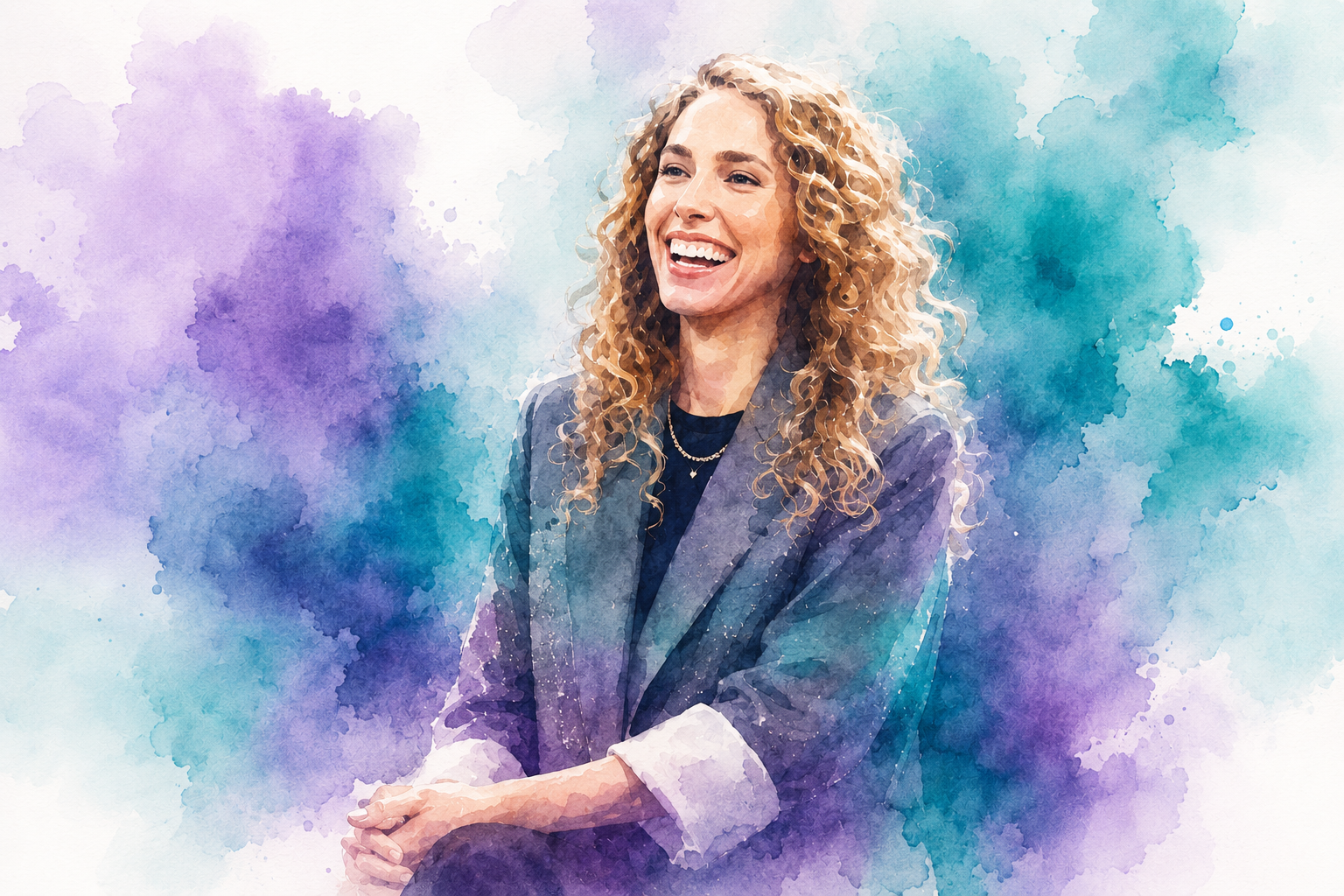
Evermore Orlando Resort’s new partnership with Harvard-trained social scientist Kasley Killam suggests a different direction: what if the next evolution of wellness in hospitality is not solitude, but connection?
The resort has announced that Killam will advise the development of “Relational Wellness by Evermore”, a guest experience strategy built around social health and meaningful connection. On the surface, this sounds like another polished hospitality phrase waiting to be added to a brochure. But the timing and the science behind it make the move more interesting than a standard wellness activation.
Loneliness is no longer a soft lifestyle concern. The World Health Organization’s 2025 work on social connection found that one in six people globally experiences loneliness, with loneliness linked to hundreds of thousands of deaths each year. The US Surgeon General has also treated loneliness and social isolation as a public health issue, linking poor social connection with increased risks of premature death, heart disease, stroke, anxiety and depression.
Hospitality has always sold togetherness, but not always designed for it with intent. Resorts host weddings, family holidays, corporate retreats and multi-generational trips, yet much of the luxury playbook still prizes privacy, exclusivity and escape. That has worked because affluent travellers often want distance from daily life. The problem is that “escape” can become a thin proposition when the deeper human need is not to get away from everyone, but to be meaningfully present with the right people.
This is where Evermore has a credible platform. The resort was not conceived as a conventional hotel with some villas attached. Its accommodation model includes Conrad Orlando alongside residences, houses, flats and villas designed for families and groups. It also has the kind of shared physical infrastructure, including a large lagoon and gathering spaces, that can support connection beyond the usual restaurant-and-pool formula.
The real test, however, will be execution.
Relational wellness cannot simply mean putting more people in the same place. Anyone who has attended a forced team-building activity knows that proximity is not connection. Nor can it be reduced to group yoga, communal dining or a few conversation cards placed on a table. Those may be useful tools, but they are not a strategy.
If Evermore wants this to matter, it will need to translate social health research into the operational details of hospitality: how arrivals are handled for large groups, how spaces encourage smaller conversations, how programming supports different ages, how staff read social dynamics, how guests can opt into connection without feeling managed, and how families or teams are helped to leave with something stronger than a photo album.
That last point is important. The strongest hospitality experiences do not end at checkout. They change the way people remember themselves and one another. A resort that helps a family repair time lost to busy schedules, or helps a leadership team have a conversation it has avoided for months, is no longer selling amenities alone. It is selling the conditions for reconnection.
There is also a commercial argument here. Wellness travel has become crowded and, in places, predictable. Many brands now offer similar combinations of spa, sleep, nutrition, movement and mindfulness. Relational wellness gives operators a chance to differentiate without inventing another treatment menu. It also aligns naturally with high-value segments: family reunions, milestone celebrations, executive retreats, weddings, incentive travel and multi-generational holidays.
But the industry should be careful not to overclaim. Loneliness is complex. Social health is shaped by work, technology, community, family structures, inequality and mental health. A resort stay cannot solve a public health crisis. What it can do is create better conditions for people to connect while they are there, and perhaps send them home with habits, rituals or memories that continue to matter.
That is why Killam’s involvement matters. Her work argues that social health should sit alongside physical and mental health as a pillar of wellbeing. If her role remains substantive, covering research, training, workshops, guest experience and operations, Evermore’s programme could become more than a marketing label.
The broader lesson for hospitality is clear. Wellness is moving beyond the body and the mind into the quality of relationships. This does not mean silent spas and solo retreats will disappear. Many guests still need rest, privacy and disconnection. But the industry has spent years perfecting the art of helping people withdraw. It may now need to get equally serious about helping them reconnect.
The future of luxury may not be a more isolated suite.
It may be the rare experience of feeling fully present with the people who matter.