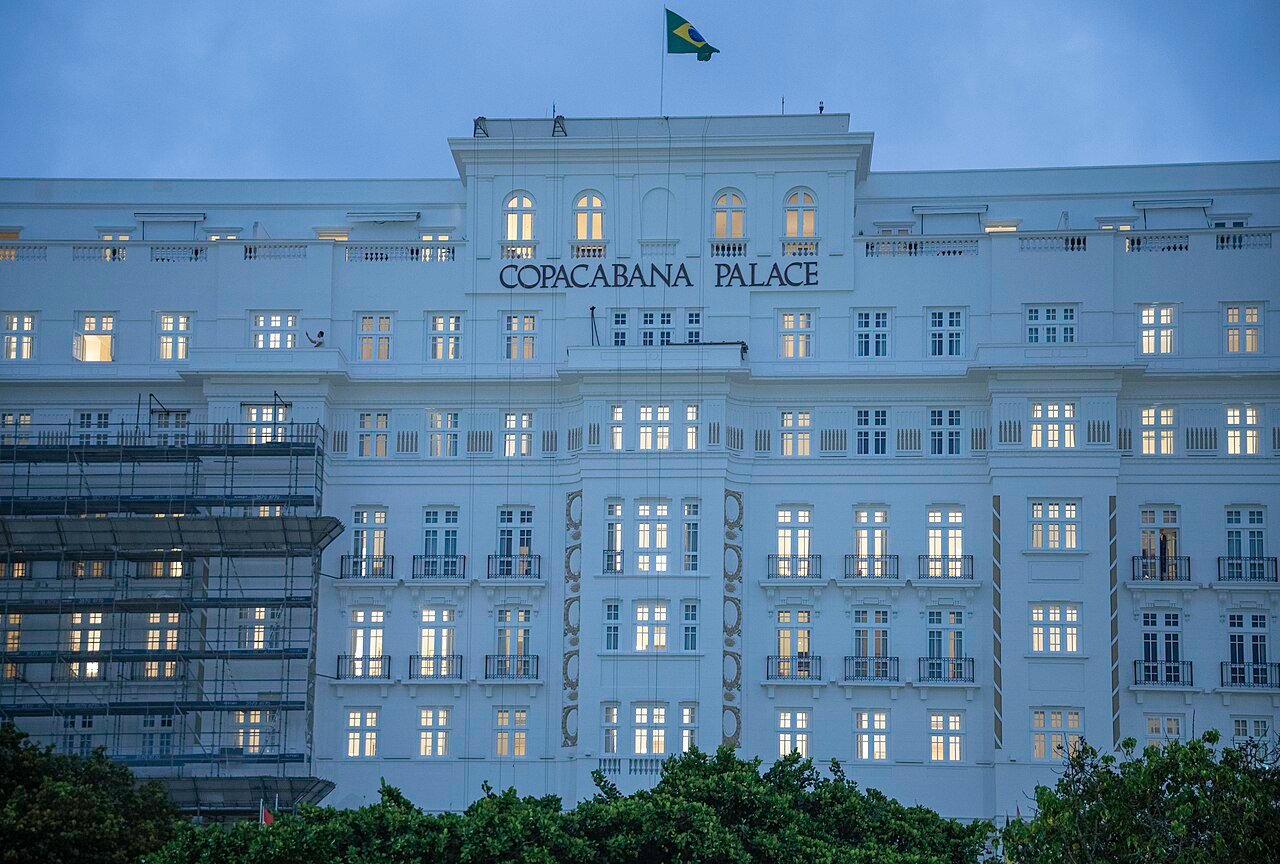
The Copacabana Palace Pool Wing has reopened at Belmond’s Rio de Janeiro hotel after a 19-month renovation. The all-suite wing brings 68 suites back into operation alongside a redesigned pool terrace, new dining and a five-floor Wellness Club that includes a Dior Spa.
Belmond’s spa announcement identified 3 November 2026 as the reopening date and described the spa as Dior’s first in Latin America. The project renews a wing of an existing property rather than opening a new hotel or replacing its principal building.
What changed in the Copacabana Palace Pool Wing
The hotel opened in 1923 and added the Pool Wing in 1948. Belmond says the wing was originally designed for guests spending extended periods in Rio, a use the renovation revisits through larger suites, connecting room configurations and family accommodation. Belmond’s refurbishment release puts the combined inventory at 208 rooms and suites, including 140 in the main building.
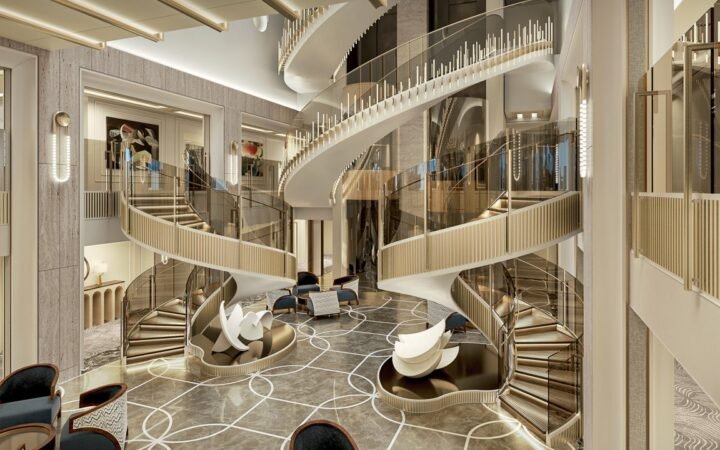
Architect Ivan Rezende led the redesign. The rooms use Brazilian timber and stone, with woodcuts by Ciro Fernandes and marquetry by Maqueson Pereira da Silva. Belmond also introduced a boutique dedicated to Brazilian crafts, extending the use of work by local makers beyond guestroom interiors.
Wellness and hospitality share the same address
The Wellness Club brings spa treatments, fitness, Pilates and other movement sessions, thermal facilities and grooming together across five floors. Belmond’s reopening update also names Bar do Copa as the new poolside bar and Lumio as the reworked Italian restaurant under executive chef Nello Cassese. Those venues sit around a pool area with a new surface and design.
For luxury hotel operators, the project illustrates how a refurbishment can change the mix of revenue-generating spaces as well as the room inventory. The suites are one component; the wellness floors, poolside bar and restaurant provide other reasons to spend time on site. The distinction matters to operators evaluating whether to extend an existing hotel or reshape how guests use it.
WINC Wire’s coverage of Belmond’s strategy and transformation leadership and Mandarin Oriental Mayfair’s design provides context on how luxury operators use property-specific design and programming to distinguish individual hotels.